Daily encouragement, if you’d like it
Choose a Thought for the Day around 9 a.m., a Daily Connection reminder around 6 p.m., or both. Notifications are optional.
Choose daily notificationsChoose a Thought for the Day around 9 a.m., a Daily Connection reminder around 6 p.m., or both. Notifications are optional.
Choose daily notificationsYou do not have to solve your whole life today. Take one honest step and let someone walk beside you.
ICGH · Original recovery thoughtsRead today’s reflection on the AA website.
Read today ↗NARCOTICS ANONYMOUSA daily reading from NA World Services.
Read today ↗AL-ANON FAMILY GROUPSExplore the official sample and book information.
Explore reading ↗Connect with groups and explore Steps, Traditions, and meeting readings.
What are you grateful for today? Small things count. Start wherever you can; you do not have to fill every space.
Daily notification setup test. Scheduled delivery is not active yet. These choices control which daily messages you will receive after activation.
Optional encouragement from ICGH. Choose either reminder or both. These messages open the app and never include your sponsor’s name or contact details.
Around 9 a.m. • Delivery window: 9–9:30 a.m.
Around 6 p.m. • Delivery window: 6–6:30 p.m.
Times use the time zone your device reports to OneSignal. Open the app after changing time zones. Phone settings, connectivity, and the notification service can delay delivery.
OneSignal processes your browser notification identifier, these two choices, time zone, and technical and delivery information. Appointment entries, gratitude entries, and support contacts stay out of these notifications. Notifications may appear on your lock screen. Test-notification permission does not sign you up for daily messages.
To stop one category, uncheck it and save. Turning all notifications off stops this browser’s push subscription; it does not automatically delete OneSignal’s records. Contact ICGH about deletion.
Daily notification setup is not available right now.
App privacy policyThis app does not send appointment push reminders. Reminders from your care provider’s system are separate from entries you add here.
Enter appointments you have already arranged and manage your own reminders here. ICGH does not receive these entries. Adding, editing, or removing an entry does not book, confirm, change, or cancel an ICGH appointment. Contact your care team to arrange or change care.
Choose a daily thought or a reminder to connect with your sponsor or recovery buddy. Appointment alerts still use your calendar.
Times use your device’s time zone. Notifications may be visible on your lock screen.
OneSignal receives a browser notification identifier, reminder choices, time zone, and technical connection information. We do not send your gratitude entries, appointment details, or support person’s name or number. No email or phone number is needed. Turning reminders off stops delivery but does not automatically delete the provider’s records.
Notifications are optional. Your calendar reminders remain available.
Add a daily calendar reminder to open the thought of the day. The reminder links to the app; the changing thought appears when you open it.
After downloading, open the calendar file and add the event to Apple Calendar or another compatible calendar. If your phone does not open calendar files, use Open Google Calendar, or import the file on a computer.
Save the event and check its notification setting in your calendar. For Google Calendar, select your reminder there before saving. Allow calendar notifications on your phone.
Adding an event shares its details with your chosen calendar provider. Calendar alerts may appear on your lock screen. Calendar alerts are separate from optional push-notification testing. The app does not verify that a calendar alert was delivered.
You manage these reminder entries yourself. Editing or removing one changes only this app’s entry; it does not change an ICGH appointment or an event already added to your calendar. Update your calendar separately and contact your care team about care changes. Add each calendar reminder only once to avoid duplicates.
Choose a sponsor or recovery buddy you can commit to contacting each day. Agree together on a good time and way to connect.
I commit to talking with this person every day about my recovery journey, by phone or text.
These buttons open your phone or messaging app. Nothing is sent automatically.
Choose AA or NA to read its Twelve Steps.
As printed in Alcoholics Anonymous, second edition (1955).
We admitted we were powerless over alcohol—that our lives had become unmanageable.
Came to believe that a Power greater than ourselves could restore us to sanity.
Made a decision to turn our will and our lives over to the care of God AS WE UNDERSTOOD HIM.
Made a searching and fearless moral inventory of ourselves.
Admitted to God, to ourselves, and to another human being the exact nature of our wrongs.
Were entirely ready to have God remove all these defects of character.
Humbly asked Him to remove our shortcomings.
Made a list of all persons we had harmed, and became willing to make amends to them all.
Made direct amends to such people wherever possible, except when to do so would injure them or others.
Continued to take personal inventory and when we were wrong promptly admitted it.
Sought through prayer and meditation to improve our conscious contact with God AS WE UNDERSTOOD HIM, praying only for knowledge of His will for us and the power to carry that out.
Having had a spiritual awakening as the result of these steps, we tried to carry this message to alcoholics, and to practice these principles in all our affairs.
Source: Alcoholics Anonymous, second edition (1955), “How It Works,” pp. 59–60
We admitted that we were powerless over our addiction, that our lives had become unmanageable.
We came to believe that a Power greater than ourselves could restore us to sanity.
We made a decision to turn our will and our lives over to the care of God as we understood Him.
We made a searching and fearless moral inventory of ourselves.
We admitted to God, to ourselves, and to another human being the exact nature of our wrongs.
We were entirely ready to have God remove all these defects of character.
We humbly asked Him to remove our shortcomings.
We made a list of all persons we had harmed and became willing to make amends to them all.
We made direct amends to such people wherever possible, except when to do so would injure them or others.
We continued to take personal inventory and when we were wrong promptly admitted it.
We sought through prayer and meditation to improve our conscious contact with God as we understood Him, praying only for knowledge of His will for us and the power to carry that out.
Having had a spiritual awakening as a result of these steps, we tried to carry this message to addicts, and to practice these principles in all our affairs.
Narcotics Anonymous Twelve Steps · Read on the official NA website
ICGH is not affiliated with or endorsed by Alcoholics Anonymous or Narcotics Anonymous.
Find fellowship & supportShort readings rooted in the Twelve Steps. Bring them to your sponsor, try an action today, and keep coming back.
Step One asks us to admit powerlessness over alcohol or addiction and the unmanageability of our lives. Start with what actually happened: the limits you set, the promises you made, and what followed. You do not have to make your story sound worse—or better—to deserve help.
Acceptance begins when we stop arguing with those facts. It opens the door to help from a Higher Power, a fellowship, and people who know the work of recovery. Discuss what you notice with a sponsor or trusted recovery person. You can begin before you have every answer.
Put it into practice: Write down one attempt to control your use and what happened. Talk it through with someone in recovery.
Reflect: Where am I still trying to manage this alone?
Project MATCH: Topic 2, Step 1—Acceptance.
A sponsor is someone who helps you work the Steps and shares how they practice recovery. Listen for honesty, consistency, willingness to serve, and a way of living you want to learn from. Popularity and having a story exactly like yours are not the same as being a good fit.
Stay after a meeting and ask, “Are you available to sponsor, or can you help me find someone who is?” A temporary sponsor can help you begin while you build relationships. Discuss availability and boundaries. A recovery buddy can offer daily connection, while sponsorship includes guidance through step work.
Put it into practice: Ask one person about sponsorship after your next meeting. Keep reaching out if the first person is unavailable.
Reflect: Whose recovery actions would I like to learn from?
Project MATCH: Topic 4, Getting Active.
The Twelve Steps invite us to become willing to believe in a Power greater than ourselves and to turn our will and lives over to the care of God as we understand Him. You can be honest about doubt and still explore this spiritual foundation. You do not need to borrow someone else’s beliefs.
Surrender can become a daily practice: ask for guidance, listen, and follow through on a recovery action. Talk with your sponsor about what you are willing to release and what responsibility is still yours. Prayer and meditation can make space for that conversation.
Put it into practice: Spend a quiet moment asking your Higher Power for guidance, then take one action you have been putting off.
Reflect: What would willingness look like in my actions today?
Project MATCH: Topic 3, Steps 2 and 3—Surrender.
Getting to a meeting is a beginning. Participation gives that meeting a place in your life. Introduce yourself, listen for something you can use, and speak honestly when you are ready. You can ask about a home group, sponsorship, literature, and ways to help.
Recovery connections grow through repeated contact. Arrive a little early or stay afterward. Exchange numbers with permission and make a call between meetings. If one meeting is not a fit, explore another. The next conversation may help you feel less alone.
Put it into practice: At your next meeting, introduce yourself to one person and ask how to stay connected.
Reflect: What is one way I can participate beyond sitting in the room?
Project MATCH: Topic 4, Getting Active.
HALT is an invitation to notice what is happening before reacting. Have you eaten? Are you carrying anger? Have you been isolating? Are you exhausted? Naming the need gives you something concrete to address.
Choose an action that matches the moment: eat a meal, take a pause before responding, call a recovery friend, or make room for rest. Bring recurring struggles to your sponsor or care team. HALT is a simple recovery check-in, not an explanation for every difficult feeling.
Put it into practice: Name the need that is strongest right now and take one practical step to meet it.
Reflect: What do I need, and who can I ask for support?
Project MATCH: Topic 8, HALT.
A searching and fearless moral inventory asks for honesty about resentments, fears, conduct, and the patterns we repeat. Work with your sponsor on a method you can follow. Begin with one situation and look at your response and responsibilities without turning the exercise into an attack on yourself.
Step Five brings that truth to God, ourselves, and another human being. Choose that person thoughtfully. Acknowledging your own conduct does not mean accepting responsibility for abuse or harm someone else inflicted on you. Keep private inventory work in a place you trust; public comments are not the place for it.
Put it into practice: Ask your sponsor how to begin an inventory, and set aside a manageable period to start.
Reflect: What pattern am I willing to look at without excuses or self-condemnation?
Project MATCH: Topic 9, Steps 4 and 5—Moral Inventories.
Recovery shows up in ordinary parenting moments: listening, arriving when you said you would, following through, and apologizing when you are wrong. You may want to repair everything quickly. Let your child experience consistency over time, at a pace that respects their feelings.
Choose a small promise you can keep today. Put the phone away during a conversation or protect a familiar bedtime routine. If you lose your temper, name your behavior and take responsibility. Bring your recovery worries to adult supports; your child should not have to manage your sobriety or reassure you.
Put it into practice: Choose one realistic promise to your child and follow through today.
Reflect: How can I show reliability without asking for immediate forgiveness?
Original ICGH application of recovery principles to family life; not a Project MATCH session.
Making amends asks us to face harm and consider what repair requires. An apology may be part of that work; changed behavior gives it substance. Prepare with your sponsor instead of rushing into contact to relieve your own discomfort.
Step Nine includes an essential limit: direct amends must not injure the person or others. Respect boundaries and any restrictions on contact. Some situations call for a different approach. The other person gets to decide whether to respond or forgive. Your part is to take responsibility and practice change.
Put it into practice: Discuss one possible amends with your sponsor before contacting the person.
Reflect: Would my proposed action serve repair, or mainly seek relief for me?
Original ICGH reflection on Steps Eight and Nine; beyond the manual’s primary emphasis on Steps One through Five.
Look at the routines around your use: who was there, where you went, and what happened beforehand. Identify one situation you can change. A new route, a different evening plan, or a clear boundary can make your recovery commitment more concrete.
Make room for connection as you change old routines. Put a meeting, a sponsor call, or time with supportive people where isolation used to be. If a setting is unavoidable, discuss it with your recovery supports and plan how to leave or ask for help.
Put it into practice: Replace one familiar high-risk routine with a specific recovery activity today.
Reflect: What can I change in my surroundings to support the choice I want to make?
Project MATCH: Topic 7, People, Places, and Things.
Take a quiet look at the day. Where were you honest? Where did fear, resentment, or self-centeredness guide your response? What needs an apology or a conversation? Notice the help you received and the actions you want to practice again tomorrow.
Keep recovery connected to life. Speak with your sponsor or recovery buddy, make time for prayer and meditation, and find an appropriate way to serve. Welcoming a newcomer, helping set up a meeting, or listening carefully can be a beginning. You can practice the principles without having a perfect day.
Put it into practice: Name one thing you are grateful for, one thing to put right, and one way to be useful tomorrow.
Reflect: How did I practice my recovery principles today?
Original ICGH reflection on Steps Ten through Twelve, informed by the manual’s emphasis on active participation and sober living.
These are original ICGH educational readings informed by Nowinski, Baker, and Carroll, Twelve-Step Facilitation Therapy Manual, Project MATCH, NIH Publication No. 94-3722 (1999 reprint). The manual addresses alcohol treatment and emphasizes Steps One through Five. Parenting, amends, and later-step readings are ICGH extensions, not Project MATCH sessions. These readings are not a substitute for individualized care and do not imply endorsement by AA, NA, or NIH.
AA Big Book and NA Basic Text. Full in-app recordings are awaiting permission.
Listen on the official AA website
Opens the publisher’s website in a new tab. Playback there uses the publisher’s controls.
Short videos for encouragement and overdose-prevention awareness. Watch right here in the app. An internet connection is required.
60 seconds • Finding support and a recovery path that works for you.
Narrator: Overcoming drug addiction was difficult. But I found the path to recovery that worked for me. Treatment helped me come to terms with the issues in my life that caused me to use drugs, and I found better ways to cope. Learning I had a substance use disorder made me realize I needed to make a change. The road to recovery is different for everyone. There were good days and bad days, but I found strength in seeking help. My friends and family made a huge difference in my recovery. I never gave up; I found my path and I kept walking it. Find that path that works for you. On-screen: You can do this. One in 14 Americans reports experiencing a substance use disorder. Narrator: Learn more at cdc.gov/stopoverdose.
15 seconds • A brief reminder that recovery can take different paths.
Animated graphic: Recovery is possible. On-screen: Recovery from addiction doesn't look the same for everyone. cdc.gov/stopoverdose.
15 seconds • Encouragement for your recovery journey.
Animated graphic: Recovery is possible. On-screen: You can do it people overcome addiction everyday. cdc.gov/stopoverdose.
60 seconds • Overdose-prevention awareness. Ask your care team or pharmacist about naloxone.
Narrator: Getting ready we all have our routines, finding an outfit, fixing the hair and all the other little touches. Gum check, keys check, phone check. But of all the things you remember to bring with you, Naloxone could be the most important. It could reverse an opioid overdose. You can get it without a prescription in most states and it's really easy to use. If you or someone you know is at risk for opioid overdose Naloxone could save their life. Keep it on you, and at home. For more information about Naloxone visit cdc.gov/stopoverdose. On-screen: For more information about Naloxone visit cdc.gov/stopoverdose.
Source: CDC. Available free from CDC. Use does not imply endorsement of ICGH by CDC, HHS, or the U.S. Government.
A place for recovery, mental health, and family support.
Links open the publisher or resource provider in a new tab. Recordings and readings remain on their original websites. YouTube search results are not reviewed or endorsed by ICGH.
Explore in-person and online recovery communities. Confirm meeting details with the organizer.
For yourself, someone you love, or someone you are helping. Call our team to discuss the next step.
Office connections, mental health and addiction services, and help finding the right care.
Call 828-322-5915Find an ICGH office ↗Withdrawal management, crisis stabilization, and residential substance use care.
Call 252-656-4012Explore inpatient care ↗Our dedicated peer-support phone number is coming. For now, call ICGH and ask about peer support.
Ask about peer supportNot available in this public app. Please call ICGH for confidential care coordination. There is no sign-in, messaging, or clinical submission here.
UnavailableGet to know our staff across ICGH’s locations and programs.
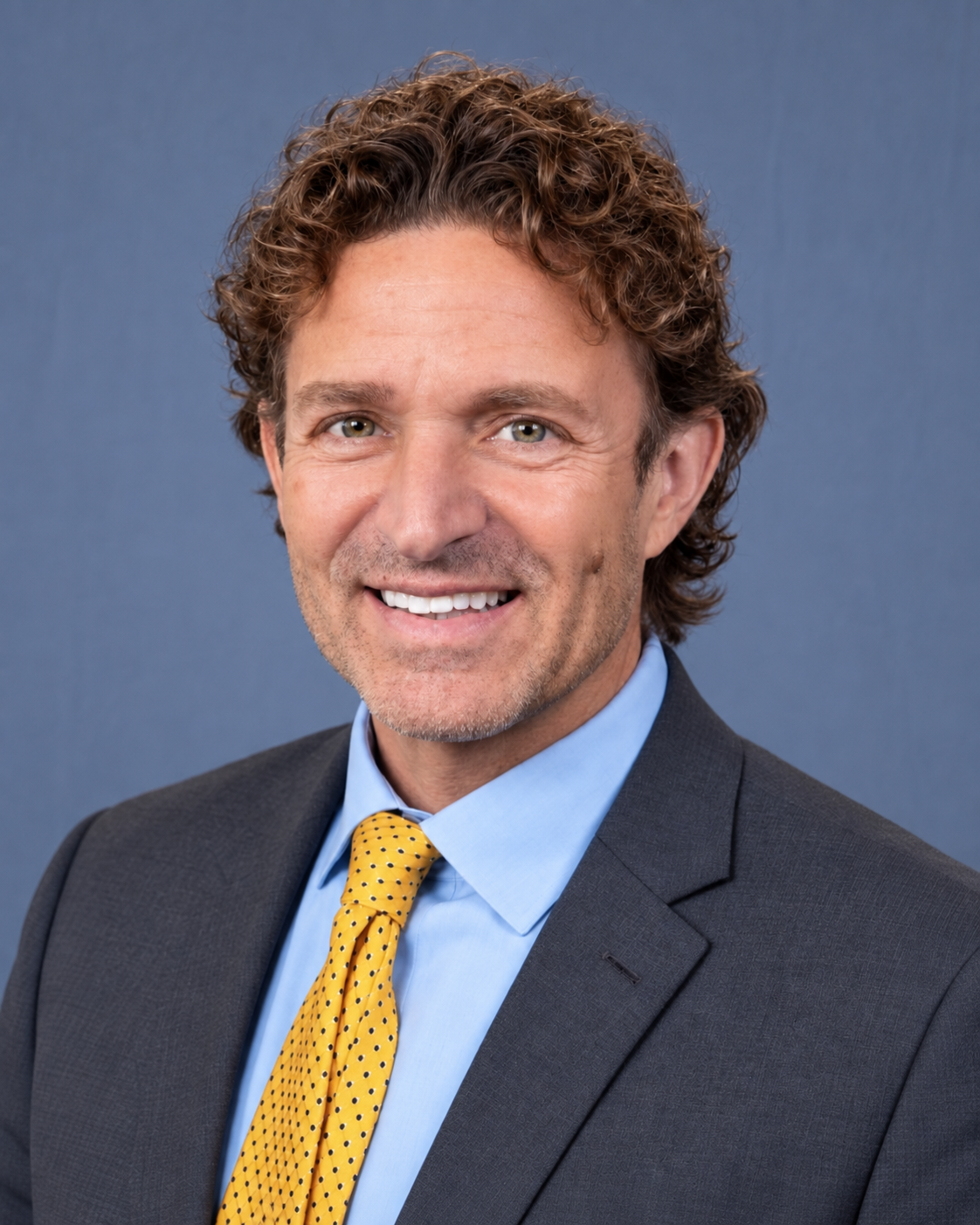
DHSc, MBA, MPAS, LCAS, CCS, MAC
CEO / Clinical Director
Corey J. Richardson leads ICGH’s organizational vision and growth, expanding access to integrated behavioral health and recovery services across North Carolina. Bringing lived experience in long-term recovery alongside advanced training in health sciences, business, and addiction care, Corey connects clinical services with peer support, housing, mobile care, and community partnerships. His work centers on compassionate, practical pathways to lasting recovery for individuals and families.
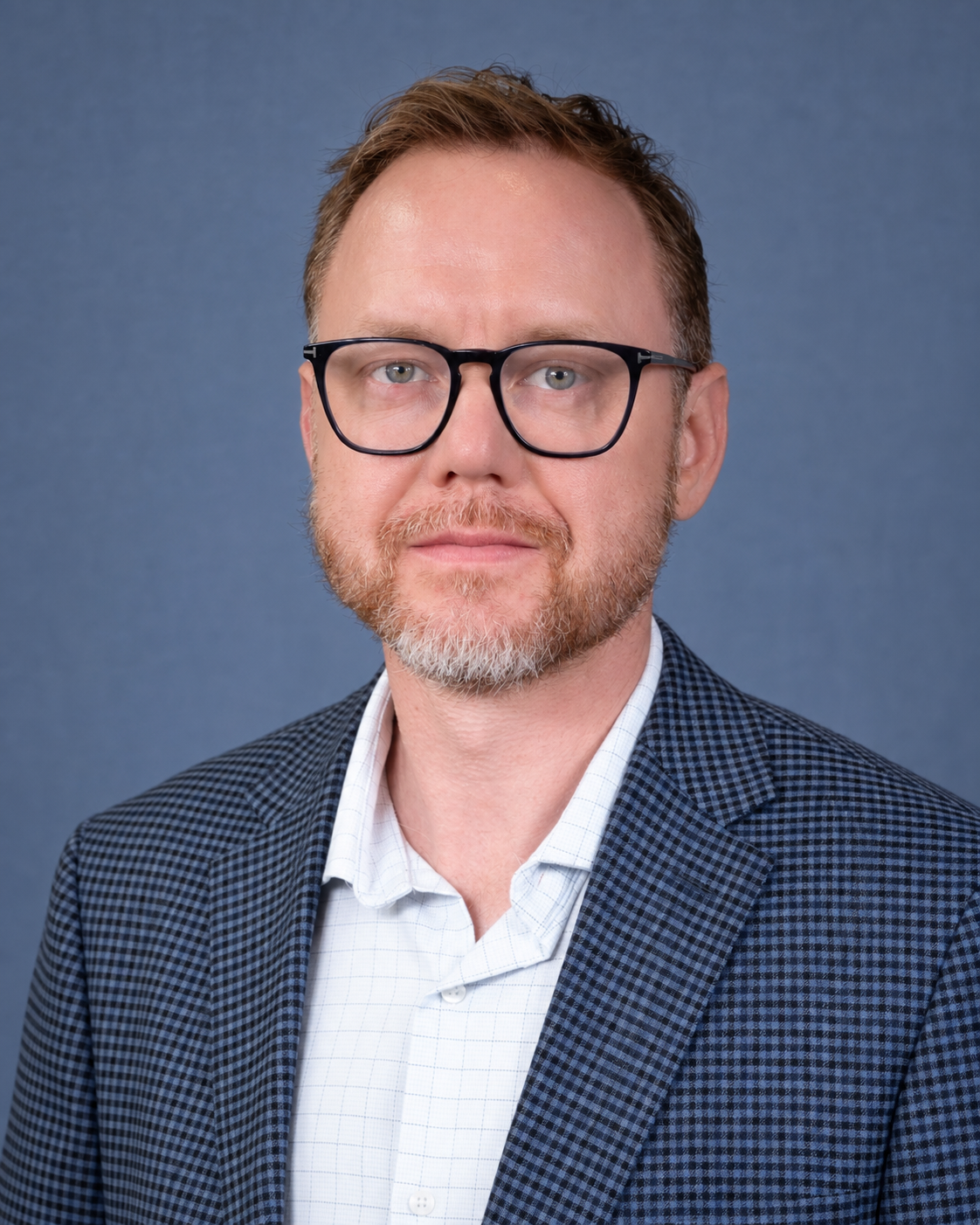
Vice President of Expansion & Strategic Operations
Chris Houck brings more than 25 years of healthcare experience to his role as Vice President of Expansion & Strategic Operations at ICGH. He supports service expansion across North Carolina by strengthening operations, developing teams, and building sustainable systems. His background spans regulatory compliance, program implementation, process improvement, and organizational strategy. Chris emphasizes accountability, clear communication, and practical solutions that improve performance and expand access to behavioral health and recovery services.
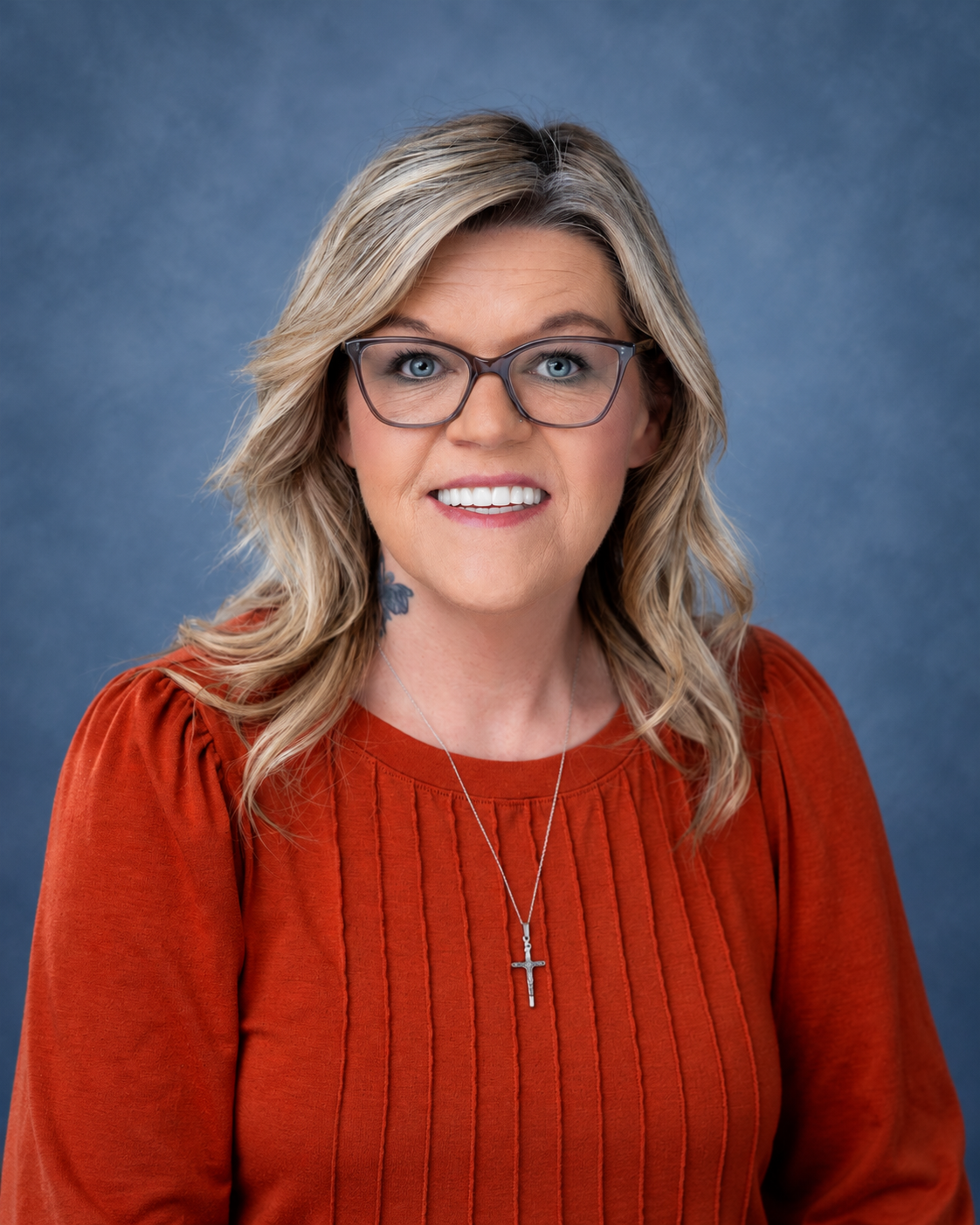
NCCPSS, CADC-R, WRAP Facilitator
VP of Programs & Services | Corporate Office
Becca Collins serves as VP of Programs & Services at ICGH’s Corporate Office. Drawing on lived experience in recovery and professional expertise, she works alongside staff, community partners, and local leaders across ICGH’s service areas to improve access to treatment and recovery support. A Certified Peer Support Specialist and WRAP Facilitator, Becca strengthens programs and partnerships while sharing hope that lasting recovery is possible.
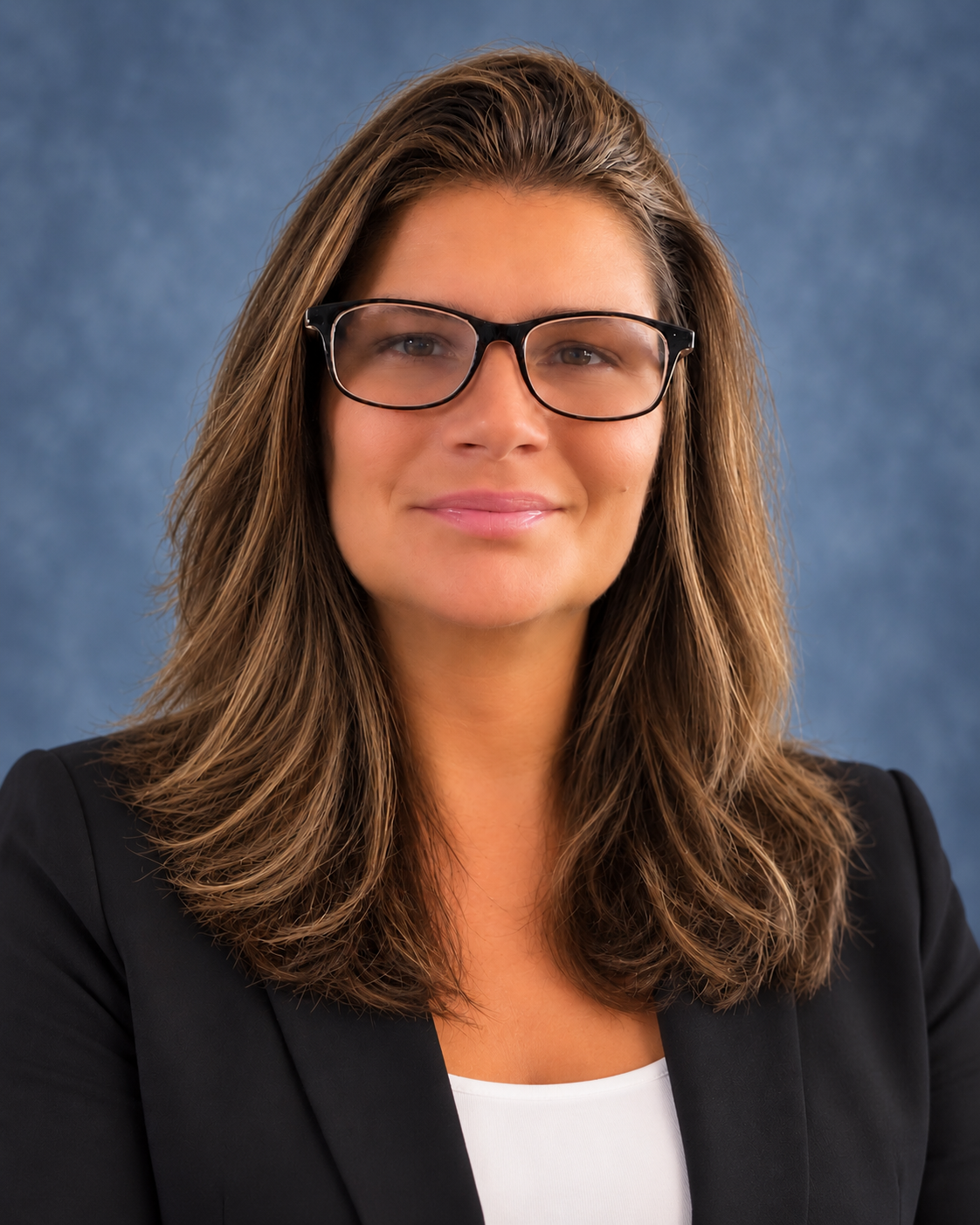
NCCPSS, CADC-I
Director of Peer Support Services
Brynn Harris leads ICGH’s Peer Support Services, supporting and guiding the peer support team across North Carolina. Based in Hickory, Brynn brings lived experience in long-term recovery from substance use and mental health challenges to this work. As a Certified Peer Support Specialist and CADC-I, Brynn is dedicated to sharing hope, building connection, and supporting individuals throughout their recovery journeys.
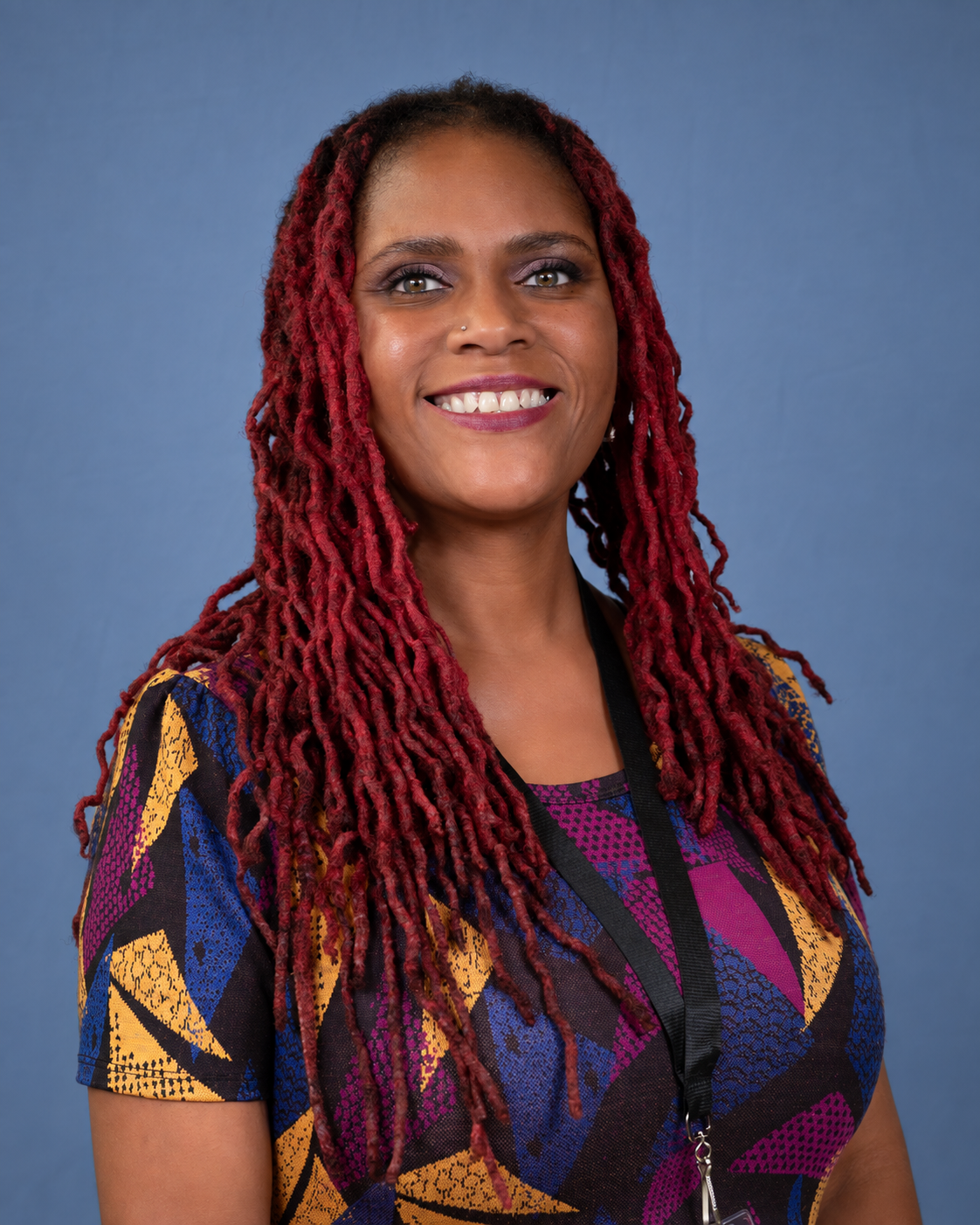
Corporate Office Manager
Sharday Black oversees ICGH’s daily corporate administrative operations, helping maintain an efficient, safe, and productive workplace. She supports people seeking care by answering questions and facilitating referral and intake processes with respect and dignity. Drawing on professional expertise and personal experience, Sharday brings strength, hope, and encouragement to her work with the individuals and communities ICGH serves.
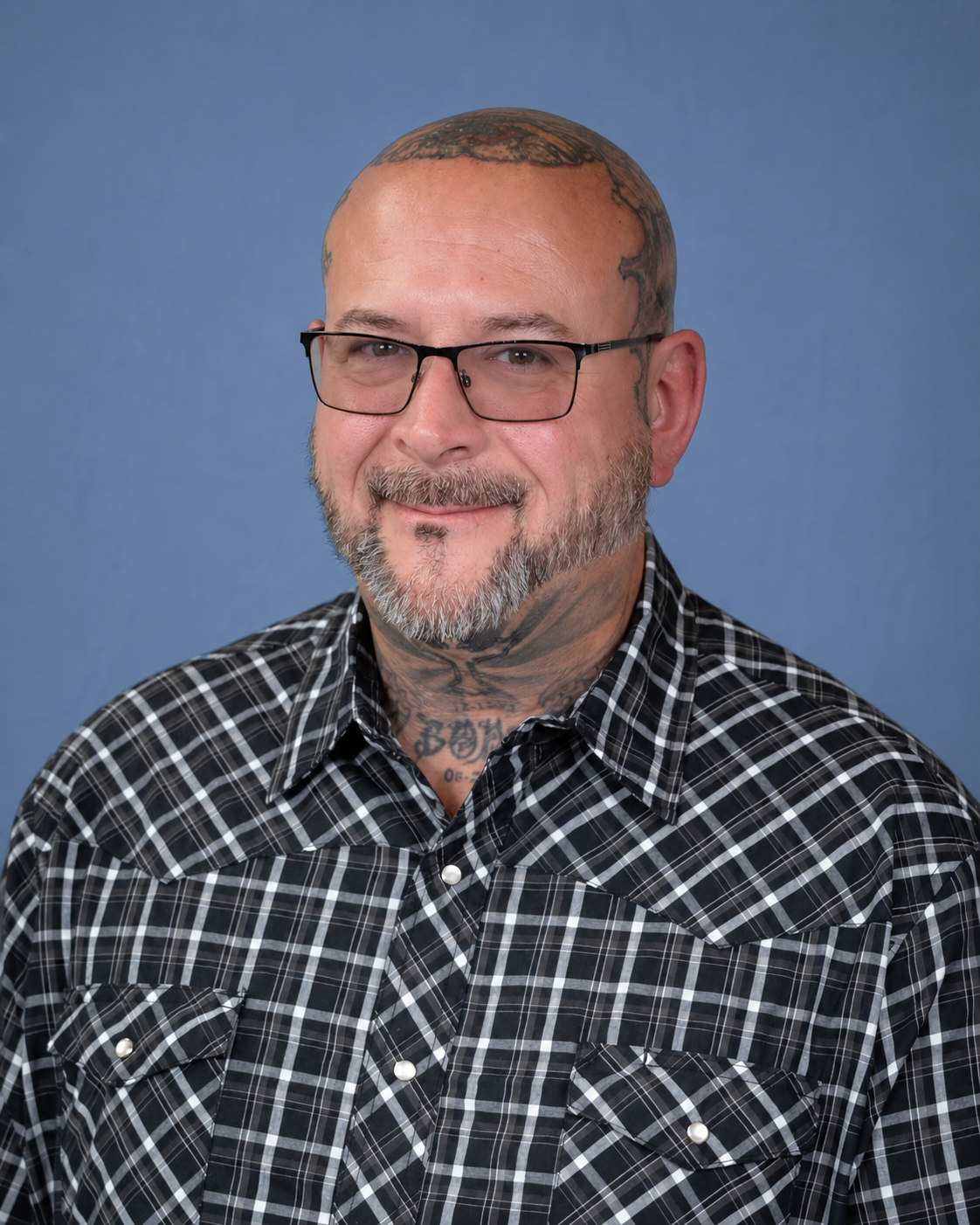
CADC-R, NCCPSS
Virtual SAIOP Facilitator
Scott William Stanley facilitates ICGH’s virtual Substance Abuse Intensive Outpatient Program (SAIOP) from Statesville, North Carolina. In continuous recovery since December 25, 1995, Scott draws on faith, the Twelve Steps, and years of personal growth in his work. His recovery journey inspired a commitment to serving people facing substance use and mental health challenges, grounded in the belief that recovery is possible and hope can transform lives.
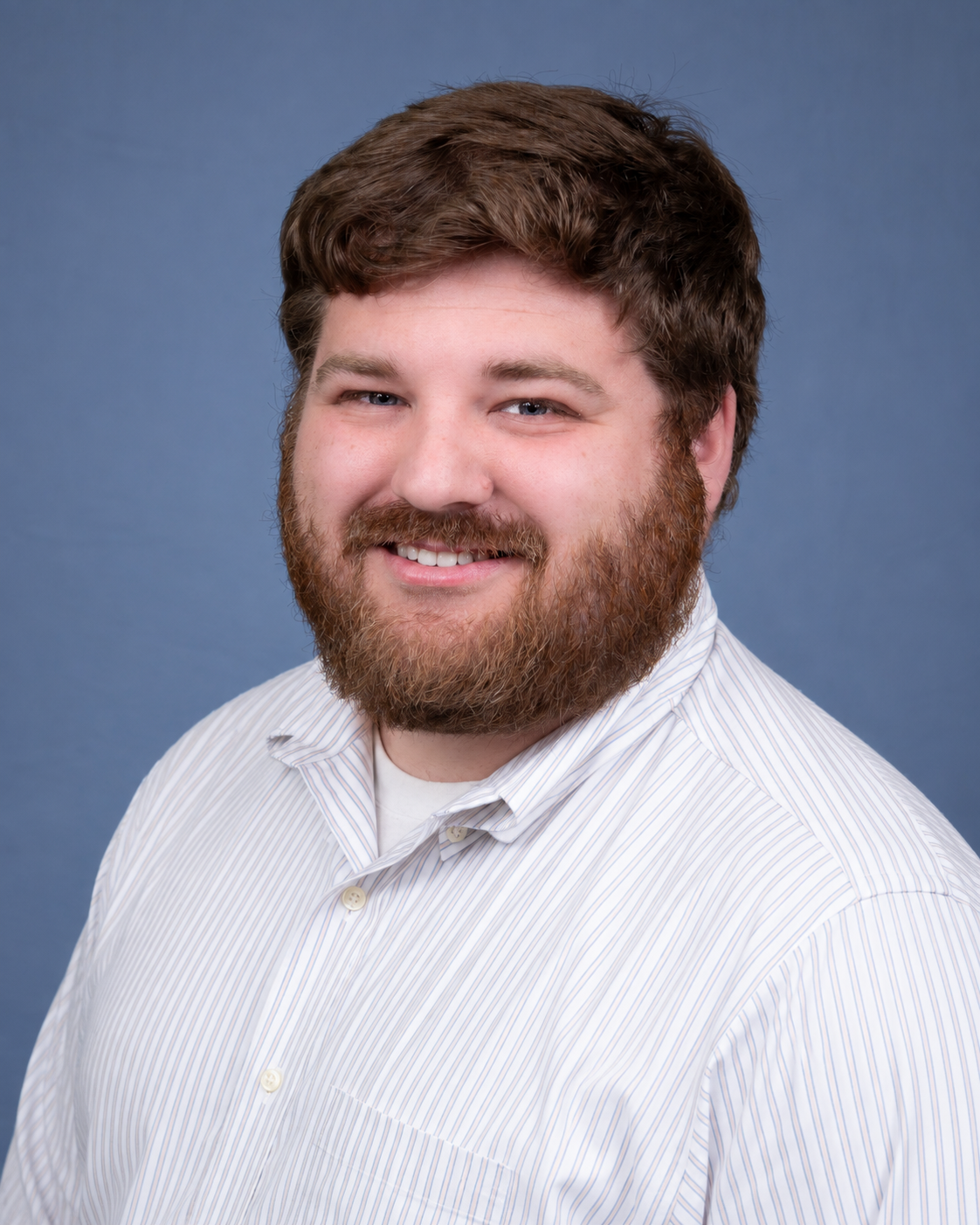
MA, LCMHC, LCAS-A
Clinician & Intern Coordinator
Garrett Whitener provides mental health and addiction counseling and serves as Intern Coordinator at ICGH’s Hickory office. With training in EMDR, anger management, and recovery-based services, Garrett creates a supportive therapeutic space where individuals can explore their goals, process trauma and grief, and build practical skills. His person-centered approach supports meaningful personal growth and lasting change.
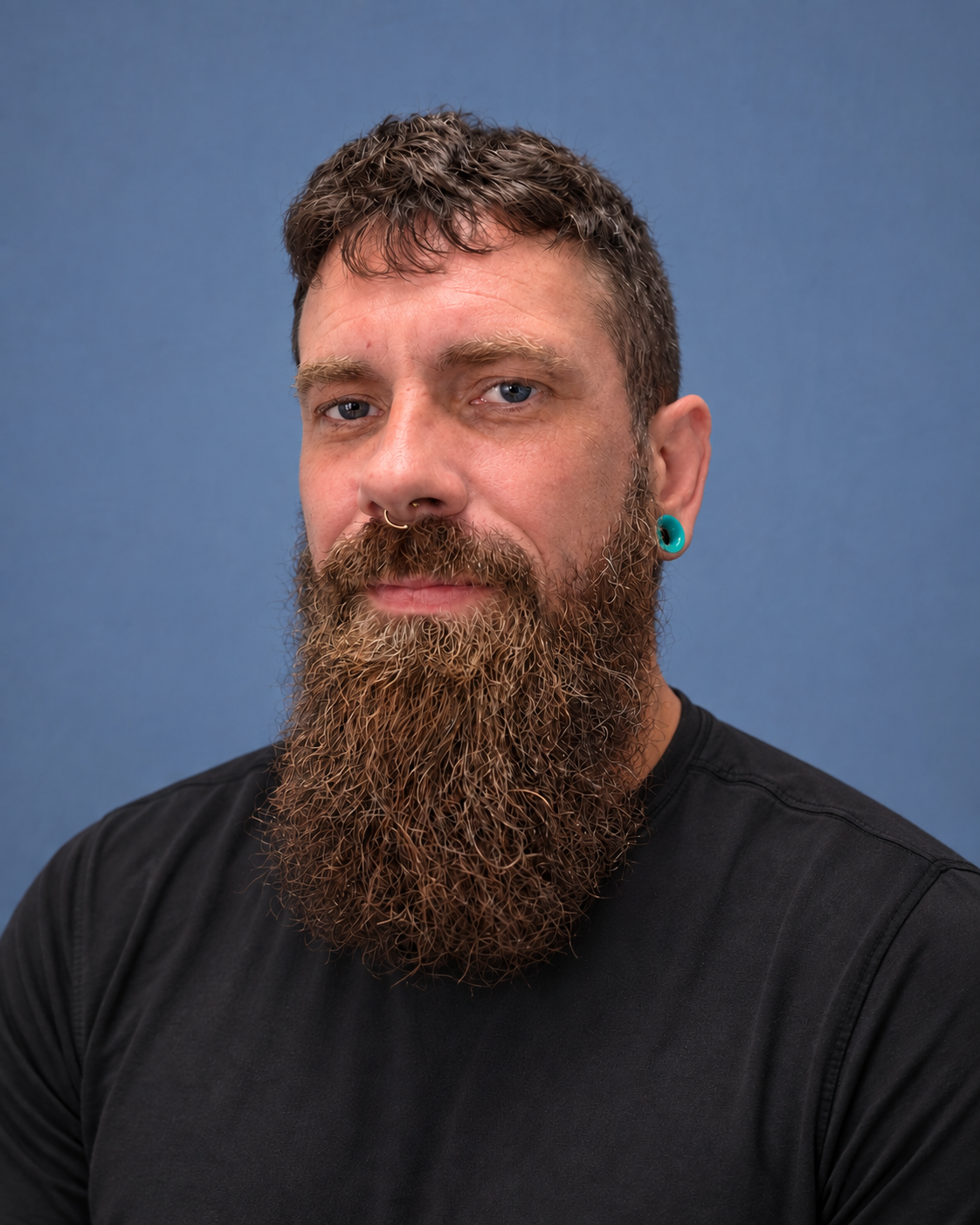
CADC-I, NCCPSS
Peer Support Specialist
Wesley Sanders provides peer support at ICGH’s Shelby office, drawing on lived experience to help others find their path to recovery. After entering TROSA in Durham at age 38, Wesley transformed his experience with substance use into a commitment to serving others. Open about his recovery journey, he combines personal insight with evidence-based practices to offer hope, encouragement, and practical support.
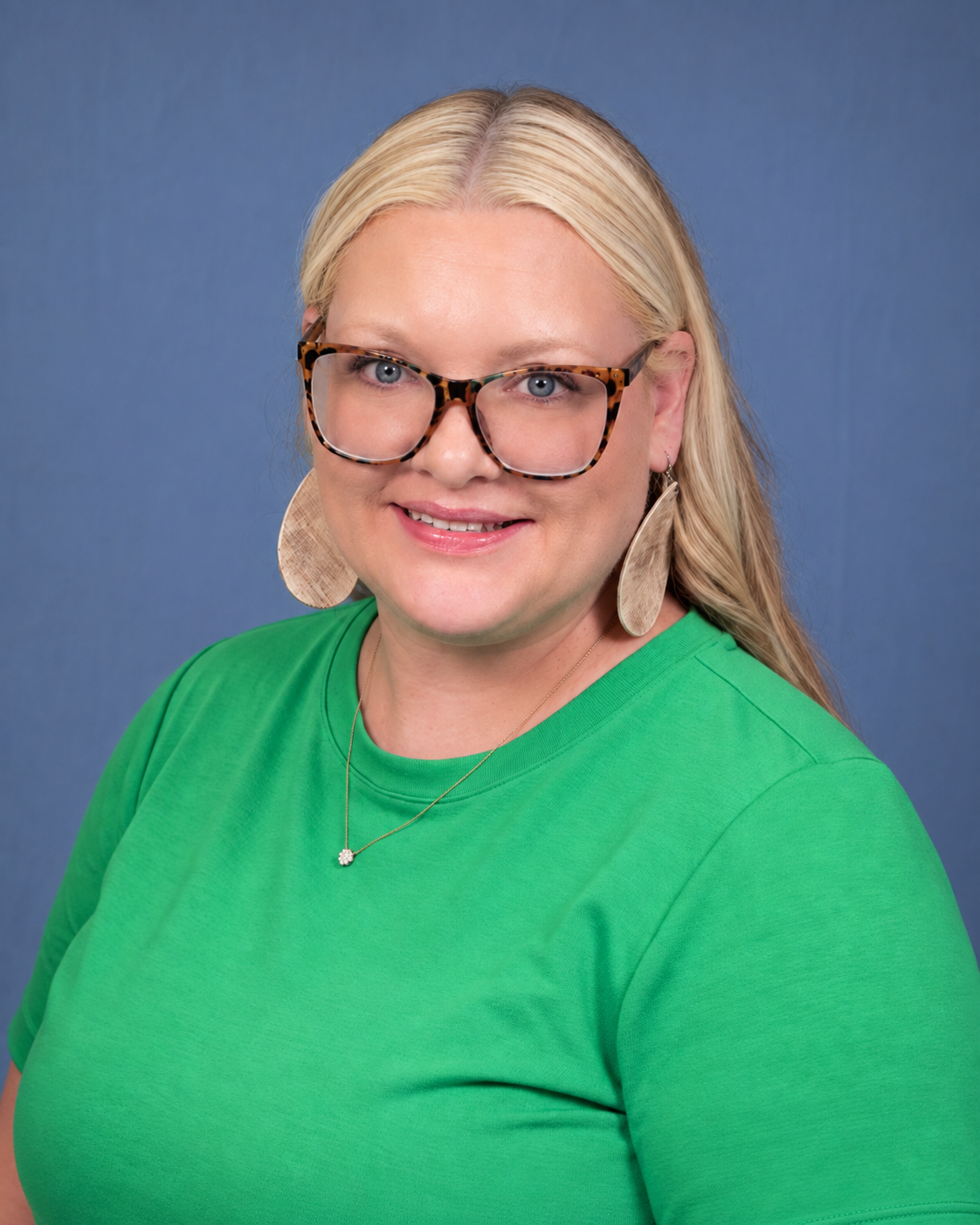
NCCPSS, CADC, MHFA Instructor, WRAP Facilitator, FCHP
Director of Grants & Special Projects
Melissa Cruse serves as Director of Grants and Special Projects at ICGH’s Hickory office. Working in behavioral health since 2020, she focuses on substance use, recovery, and improving care for people with complex needs. Informed by professional and lived experience, Melissa is committed to challenging stigma and sharing hope, grounded in the belief that every person has an opportunity for recovery.
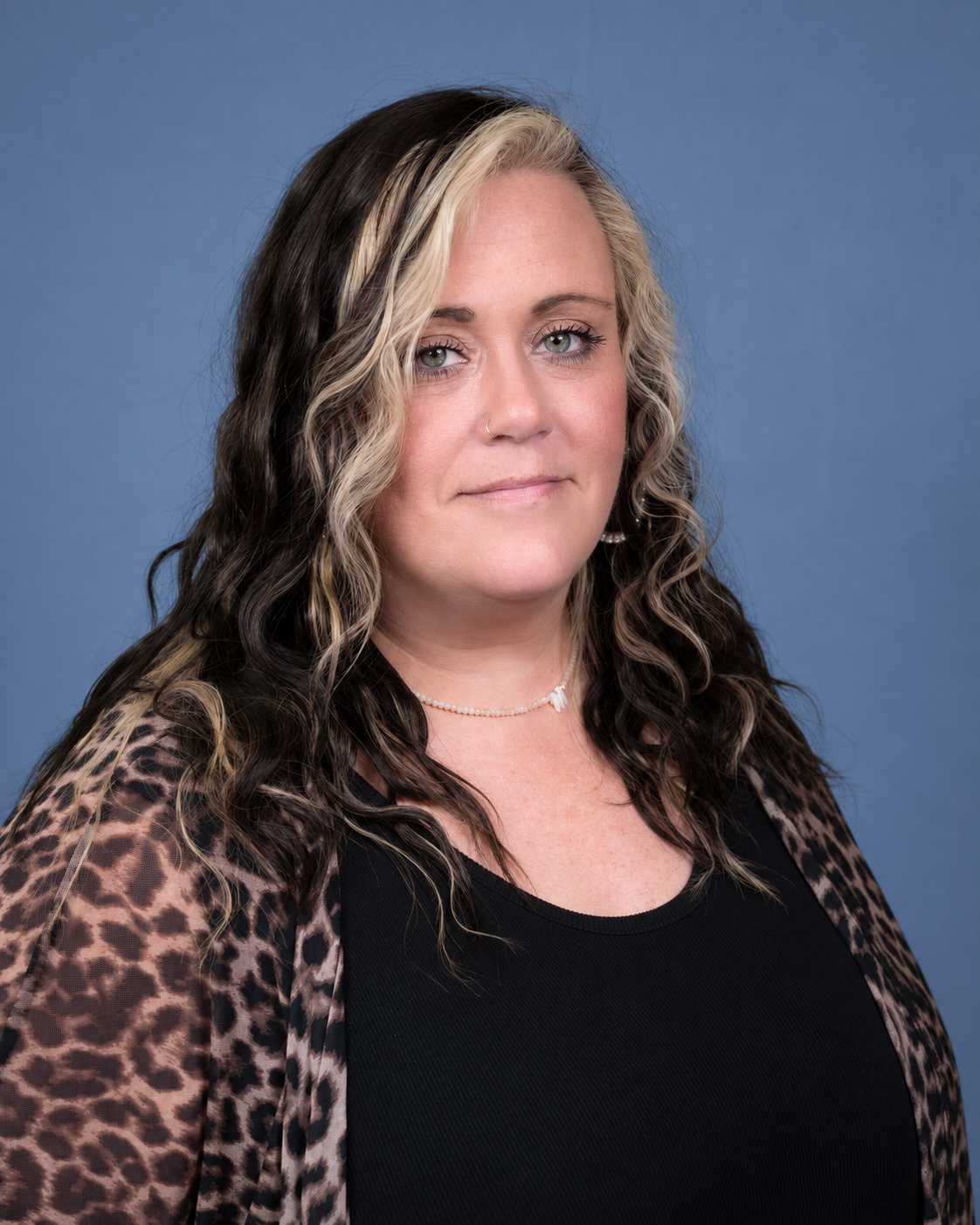
Administrative Assistant
Miranda Mashburn supports daily office operations at ICGH’s Hickory office, helping create an efficient and welcoming environment for staff and the people they serve. She facilitates clear communication and provides administrative support that helps the team deliver care. Drawing on personal experience, Miranda meets individuals where they are in their journeys and is committed to helping them work toward their goals.
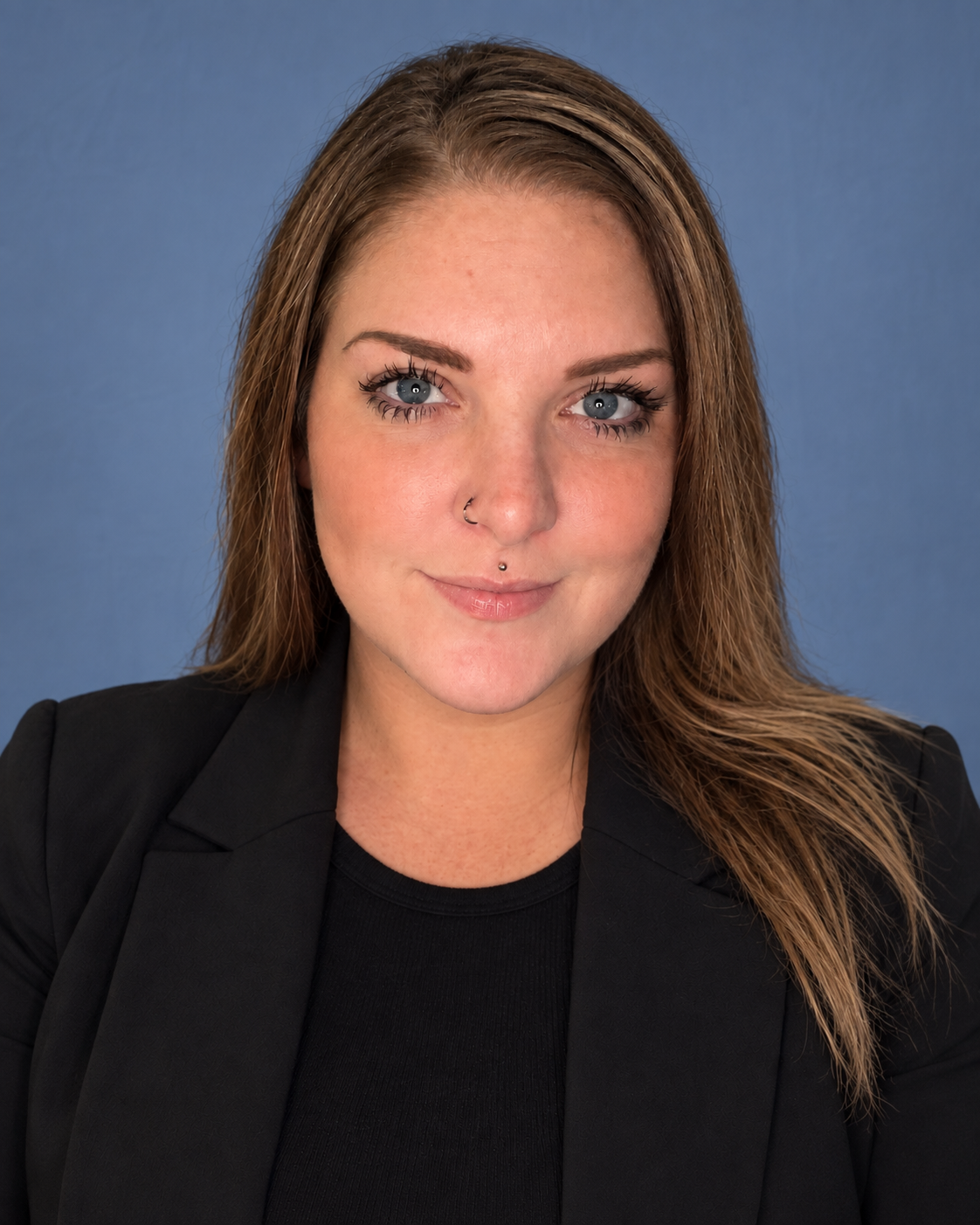
NCCPSS
Jail Diversion & Housing Coordinator
Kristen Fulcher serves as Jail Diversion and Housing Coordinator in Morehead City, bringing lived experience in recovery to her peer support work. She meets people where they are and offers encouragement during life’s most difficult moments. Through her work and her own recovery journey, Kristen reminds individuals that their stories are not over and that hope, connection, and recovery remain possible.
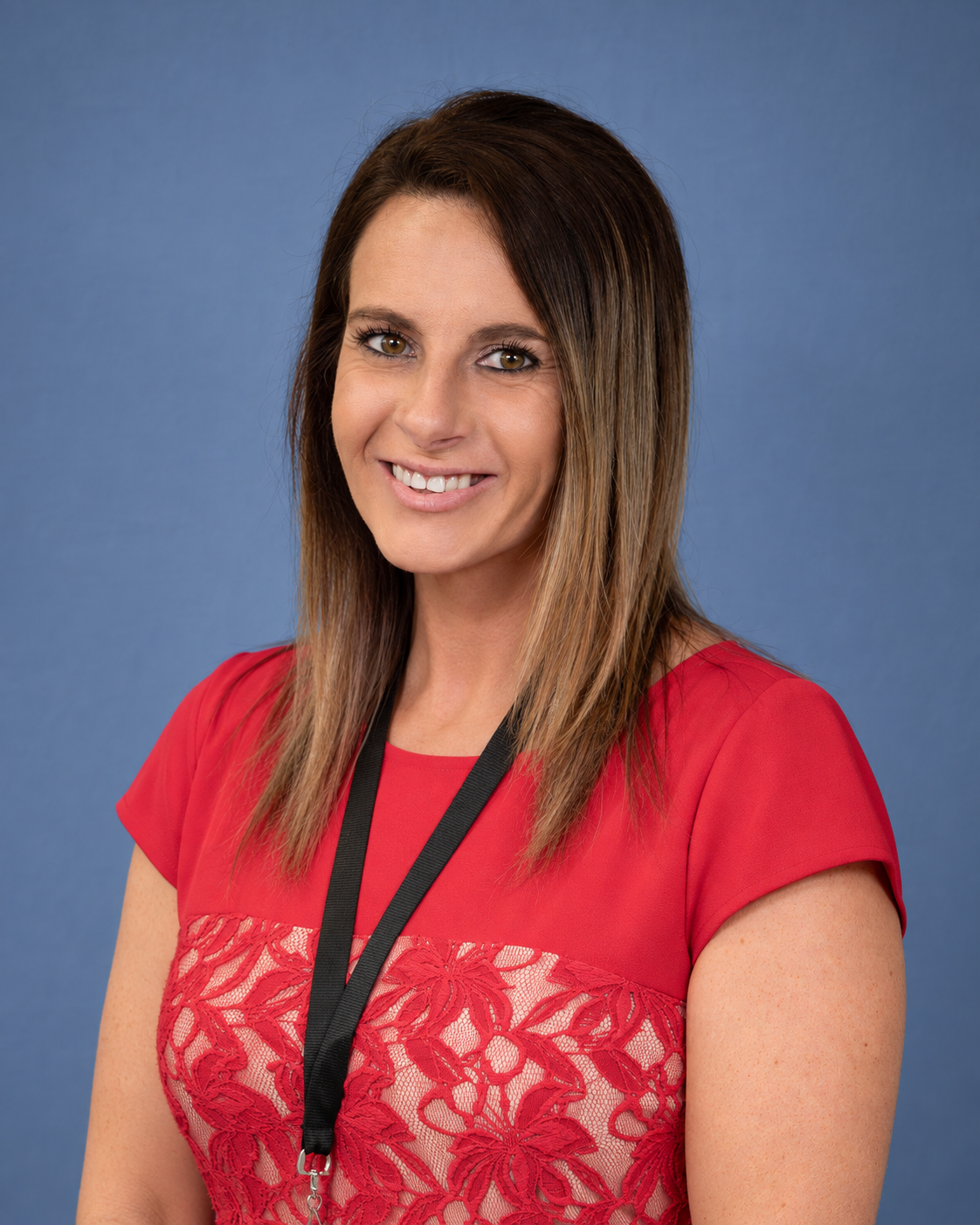
NCCPSS
Site Manager
Summer Hatcher leads ICGH’s Statesville location, drawing on long-term recovery and lived experience to connect people with compassionate, welcoming care. She meets individuals where they are, from community events to pivotal moments in their lives. By advocating for peer voices, addressing barriers, and building partnerships with local organizations, Summer helps make hope, support, and essential services more accessible.
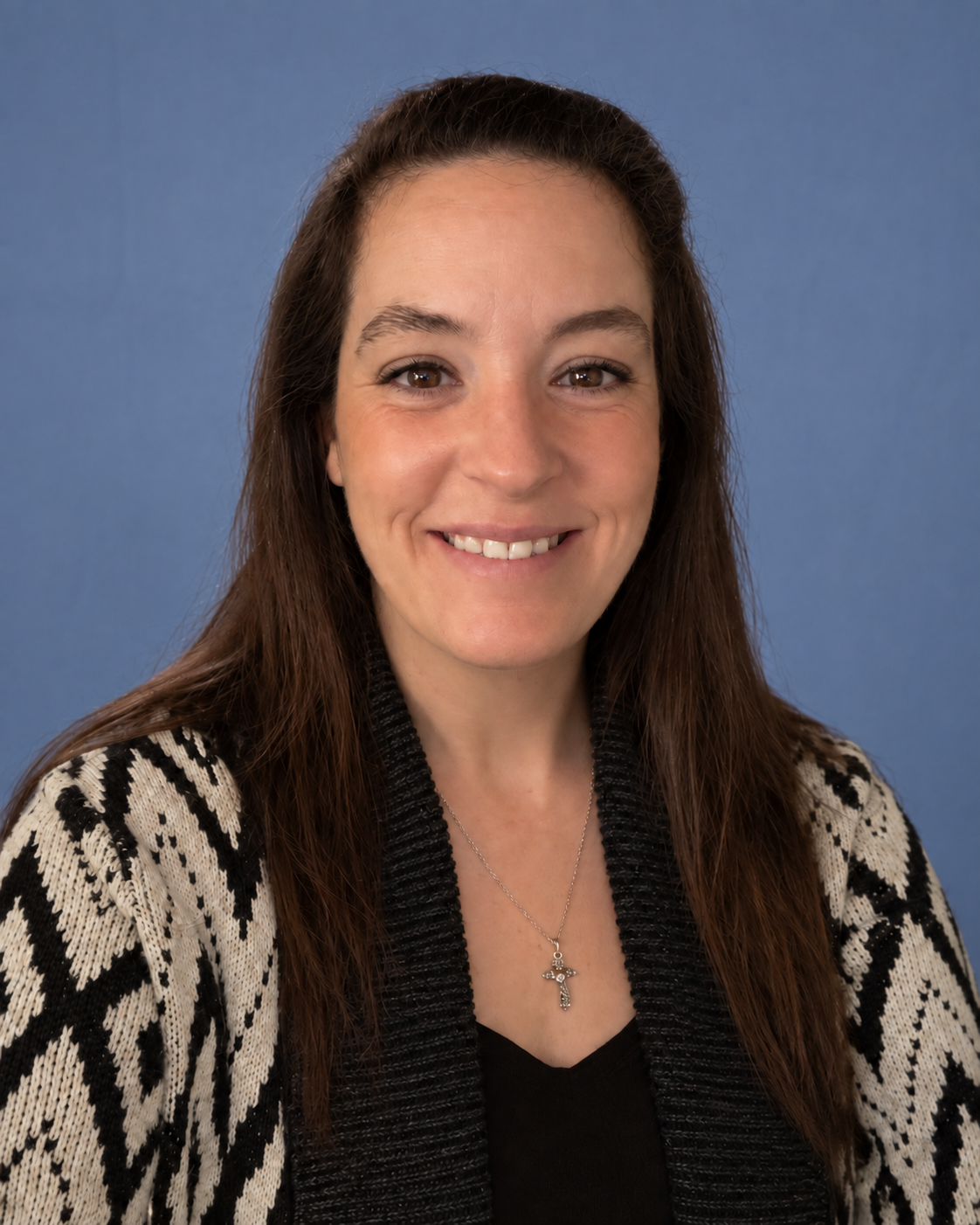
NCCPSS
Peer Support & Outreach Specialist | Cherokee County
Misti Killian provides peer support and outreach in Cherokee County, drawing on lived experience with substance use and recovery to offer hope and connection. Her journey inspires a commitment to helping individuals and families break cycles, overcome stigma, and discover new possibilities. Through her work with ICGH, Misti brings recovery support to her hometown, reminding people that they matter and do not have to face life’s challenges alone.
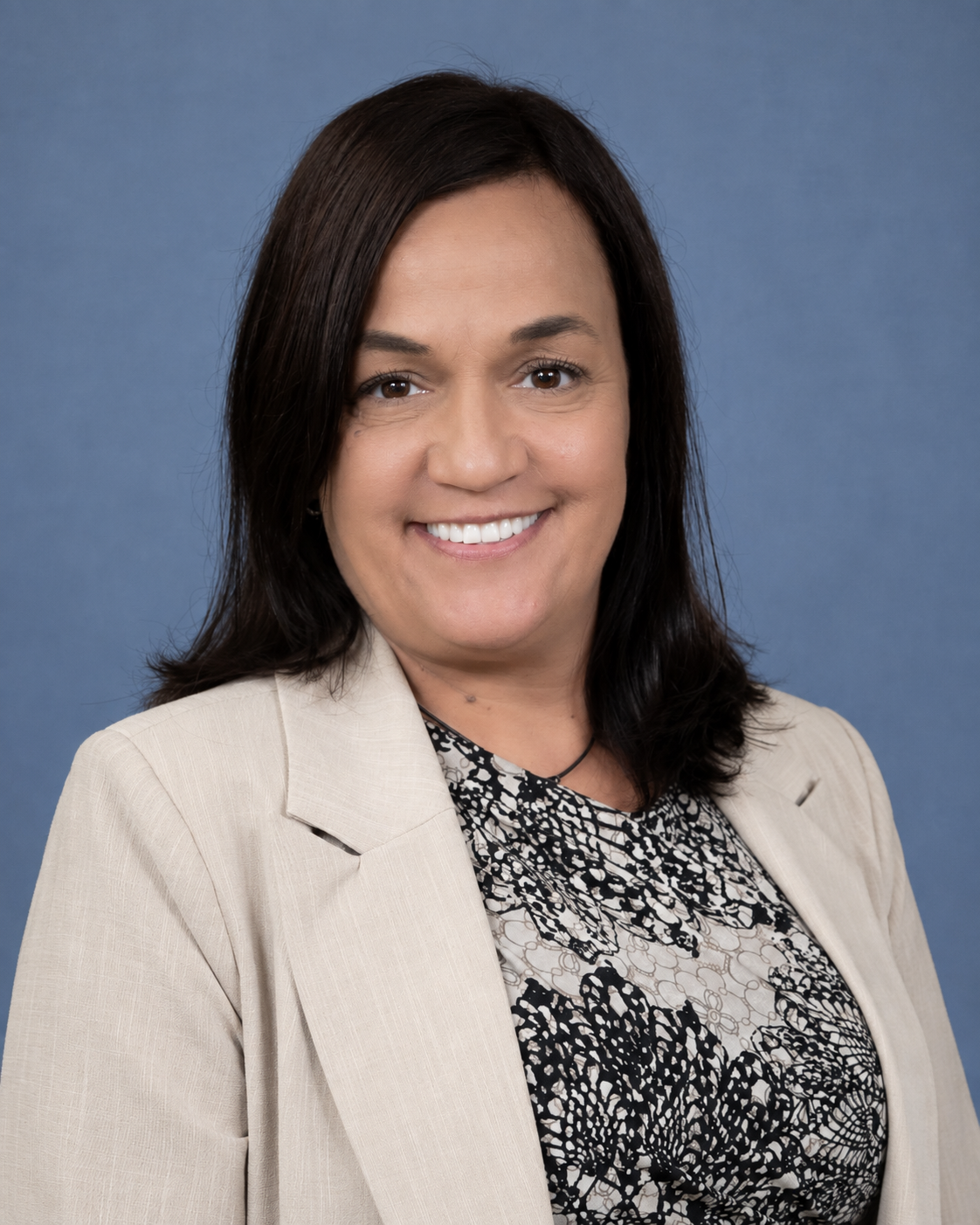
NCCPSS
Peer Support Specialist
Jennifer Biddy provides peer support grounded in lived experience, compassion, and advocacy. She walks alongside individuals as they navigate recovery, rebuild their lives, and discover hope. Driven by the belief that a person’s past does not define their future, Jennifer empowers those she serves to recognize their strengths and embrace new beginnings. Her work reflects a commitment to honoring lived experience and the possibilities of lasting recovery.
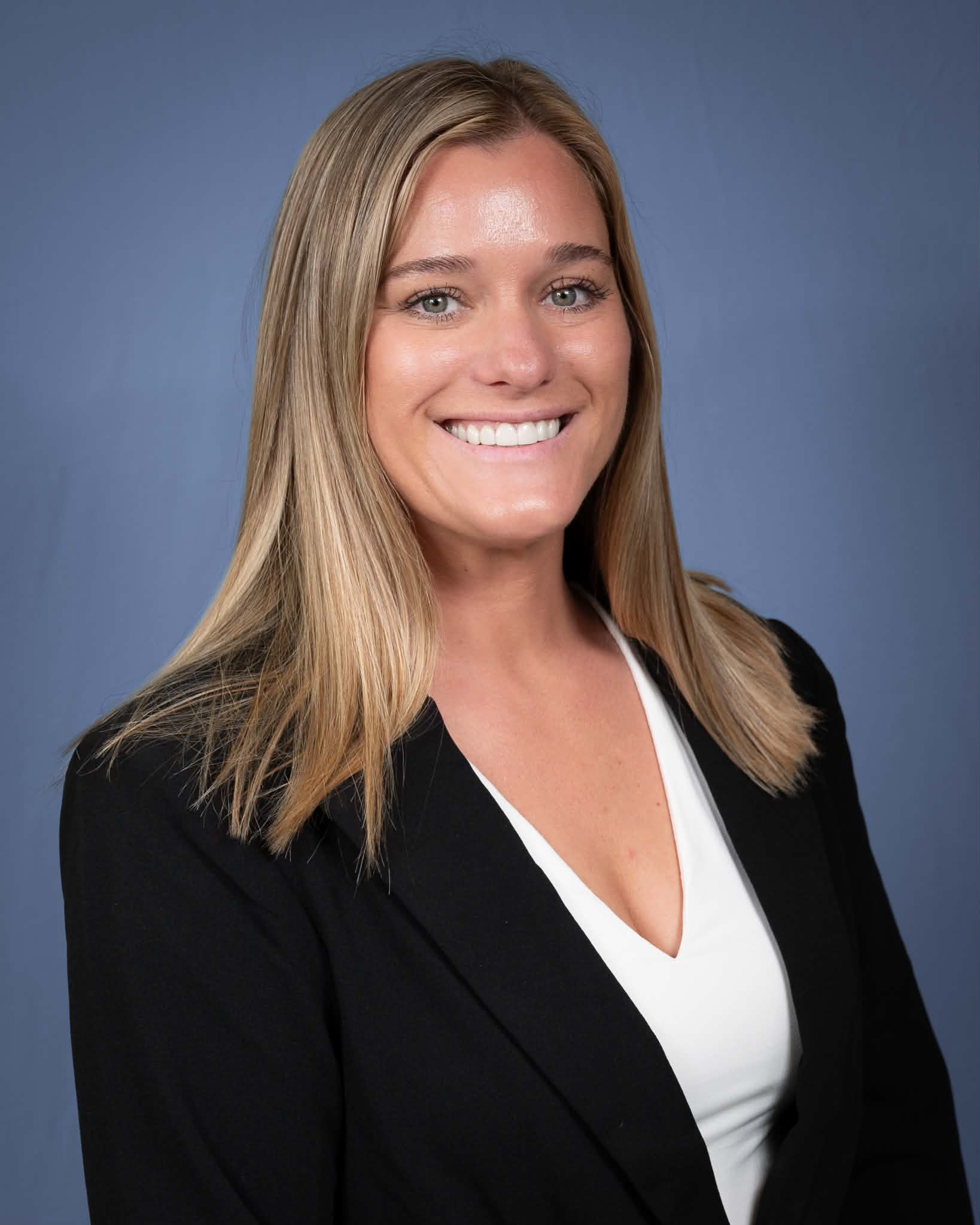
NCCPSS
Peer Support Specialist | Dobson Office
Kaitlyn is a Peer Support Specialist dedicated to helping individuals navigate substance use recovery and connect with the resources they need to build healthier, more fulfilling lives. As a person in long-term recovery herself, she brings personal experience, compassion, and understanding to her work. She is passionate about meeting people where they are, offering hope and encouragement, and helping strengthen individuals, families, and communities through recovery.
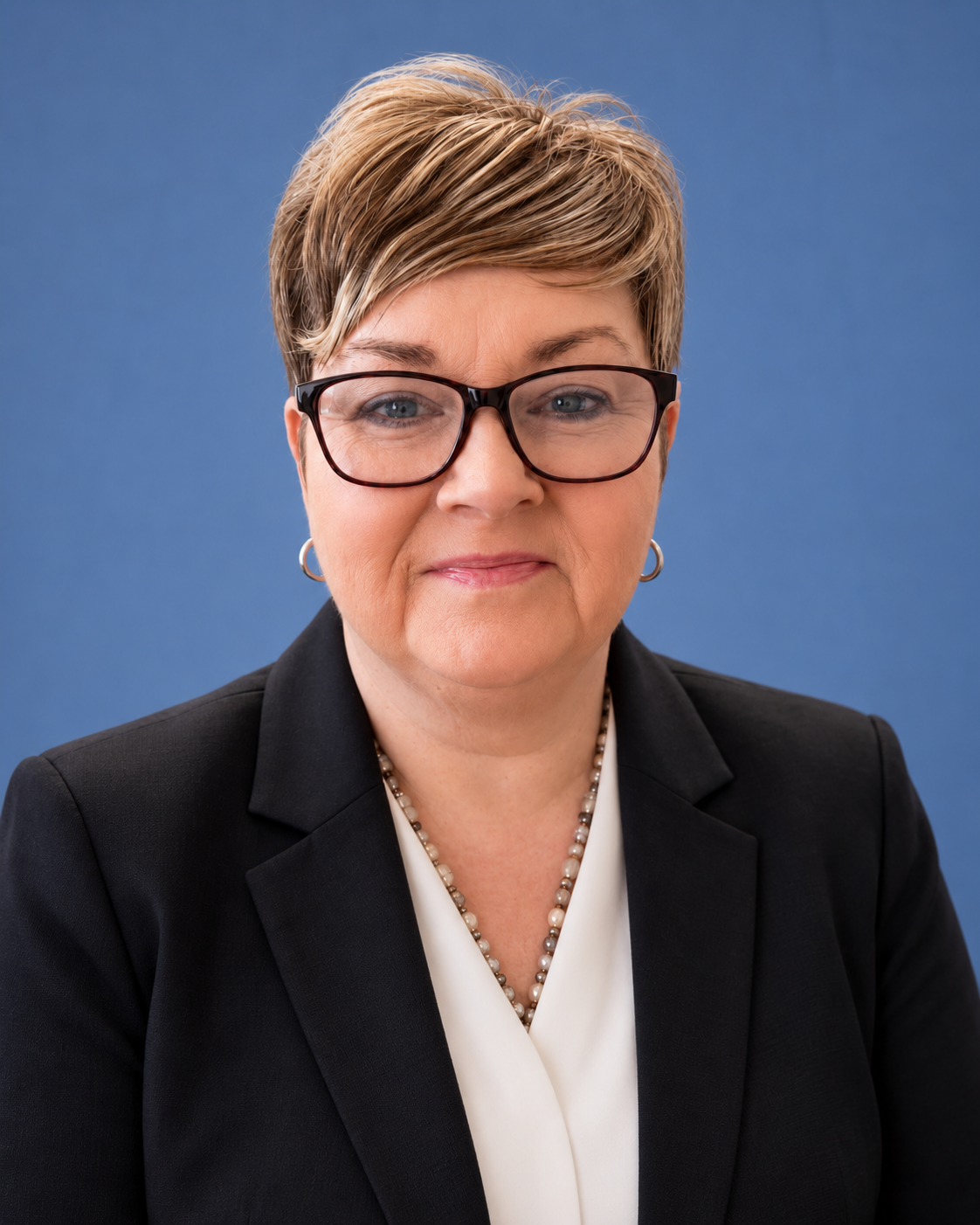
Human Resources Manager | Carolina Wellness Center – ICGH Sea Level
A North Carolina native with a background in Business Management, Sheila Pratt brings more than 35 years of experience in human resources, safety, and operations management. She works closely with leadership and staff to support recruitment, onboarding, employee relations, workforce training, and daily operations. Sheila is passionate about empowering employees to succeed and strengthening the organization’s service to communities through compassion, commitment, and leadership.
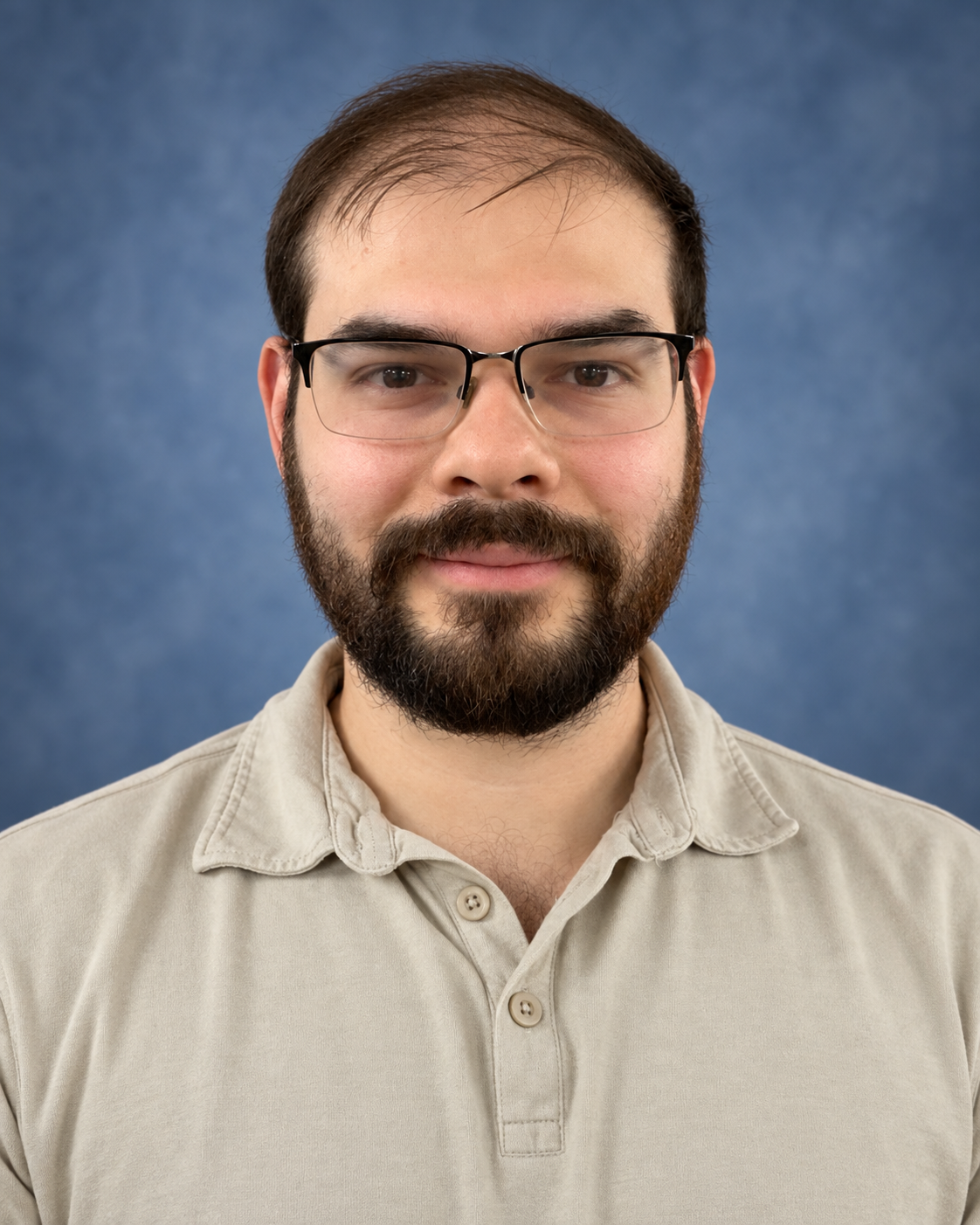
PharmD
Having experienced the impact of addiction in his own family, Ian Walsh is committed to making a positive difference in the lives of his patients. He works alongside the ICGH team to provide compassionate care and uphold a high standard of care for those he serves.
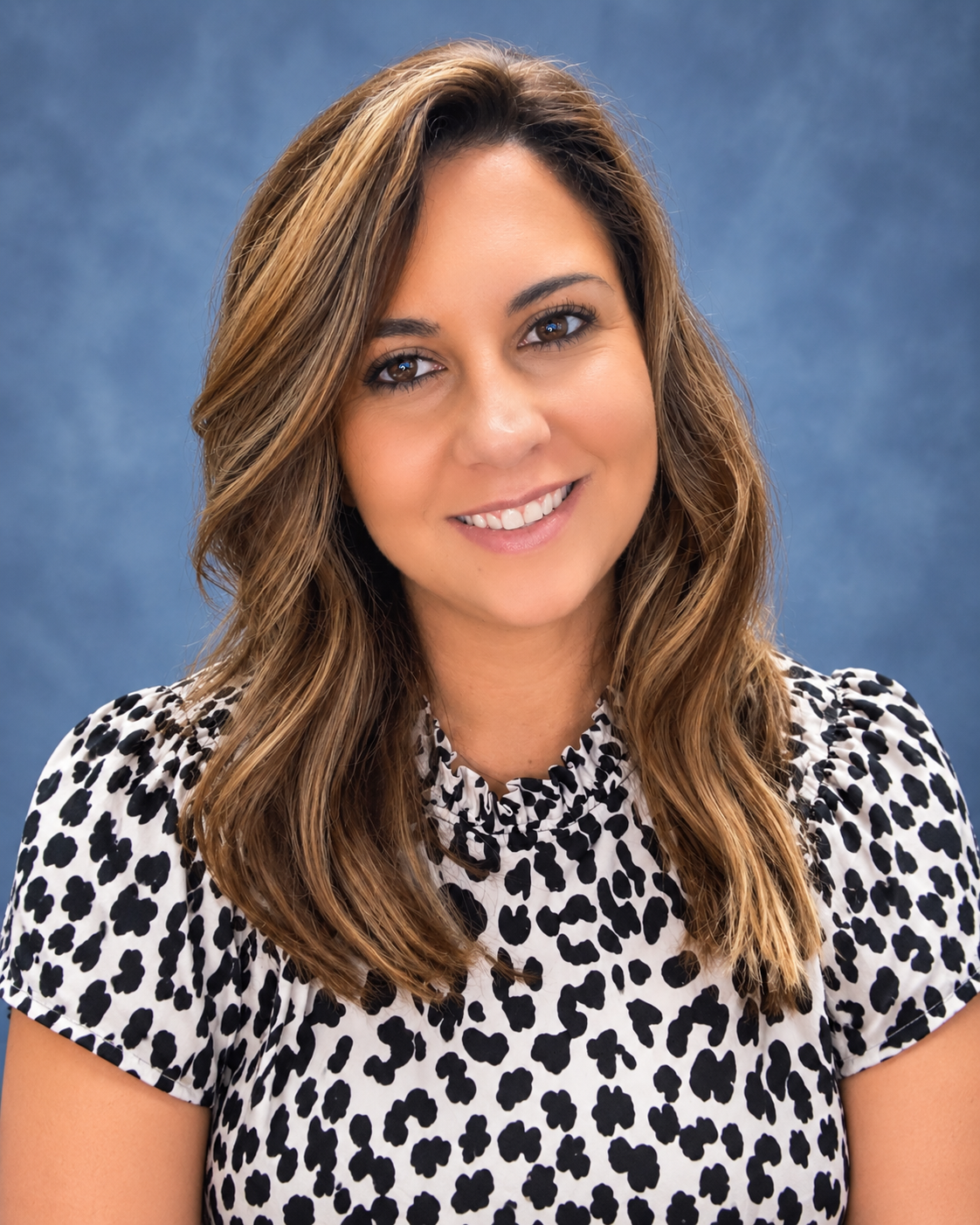
CADC-R
Counselor | Carolina Wellness Center
Allyson Davis, CADC-R, serves as a Counselor at Carolina Wellness Center, supporting individuals throughout their recovery journey. Her work focuses on creating a safe, supportive environment where clients can build healthy coping skills, strengthen their recovery foundation, and develop greater self-awareness. Through counseling, group education, therapeutic activities, and community-based experiences, Allyson helps individuals develop the tools and confidence needed to pursue meaningful, lasting recovery.
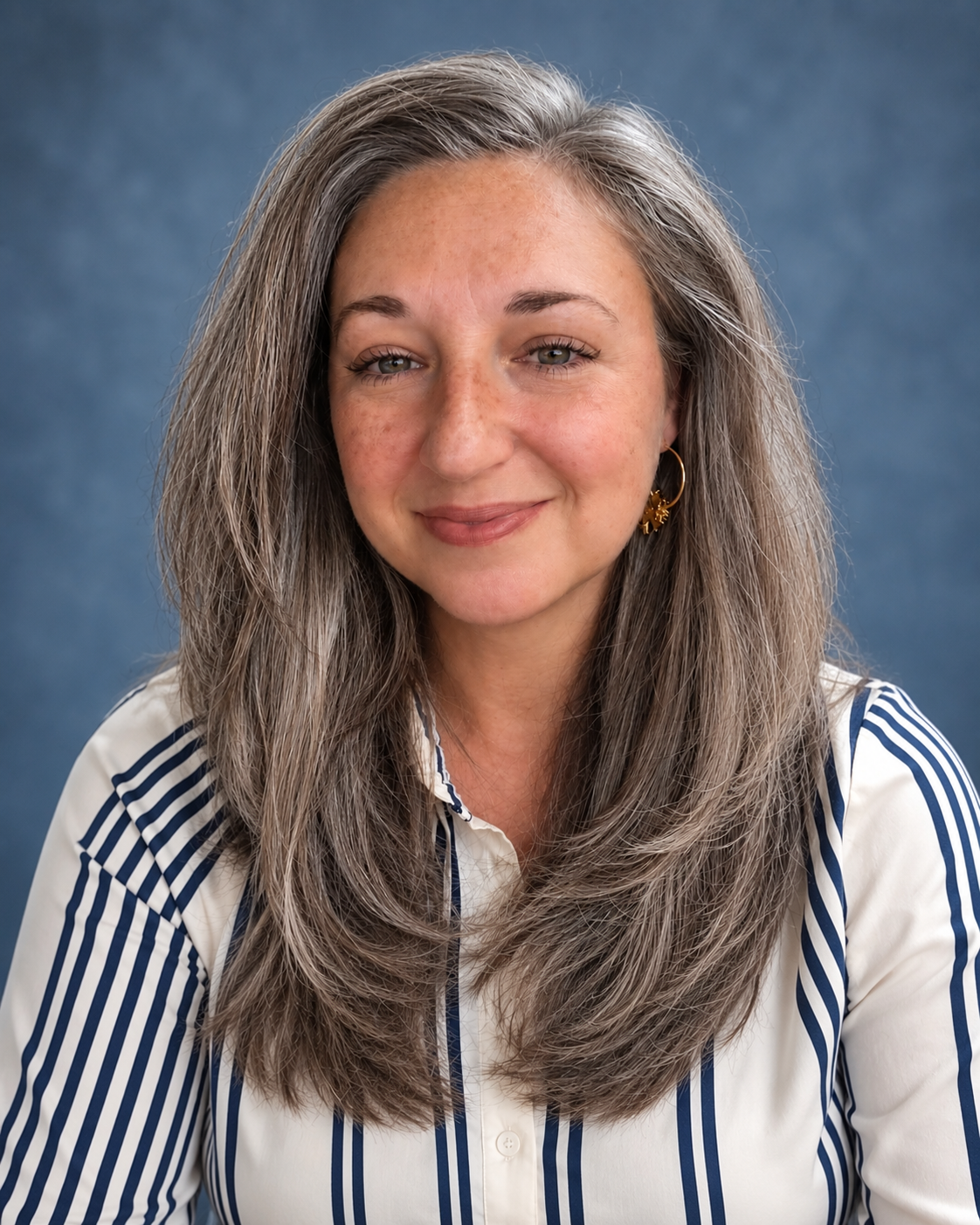
MS
Grants Administration
Jessi Biguenet, MS, works in Grants Administration at Integrated Care for Greater Health, where she manages federal and state grant programs and local government contracts supporting behavioral health, substance use treatment, recovery, and community-based services across North Carolina. Her work spans grant and contract administration, program implementation, data and reporting, evaluation, and coordination with community partners and local government agencies. Jessi brings a strong interest in using data to better understand how people move through systems of care and where barriers to access occur, particularly in rural and underserved communities.
Before joining ICGH, Jessi served as a Peace Corps Volunteer, an experience that shaped her commitment to community-driven solutions to complex social and health challenges and her interest in how social, economic, and geographic factors affect access to resources. She holds a Master of Science in Urban Planning from LSU New Orleans and a bachelor's degree in Anthropology from UNCW.
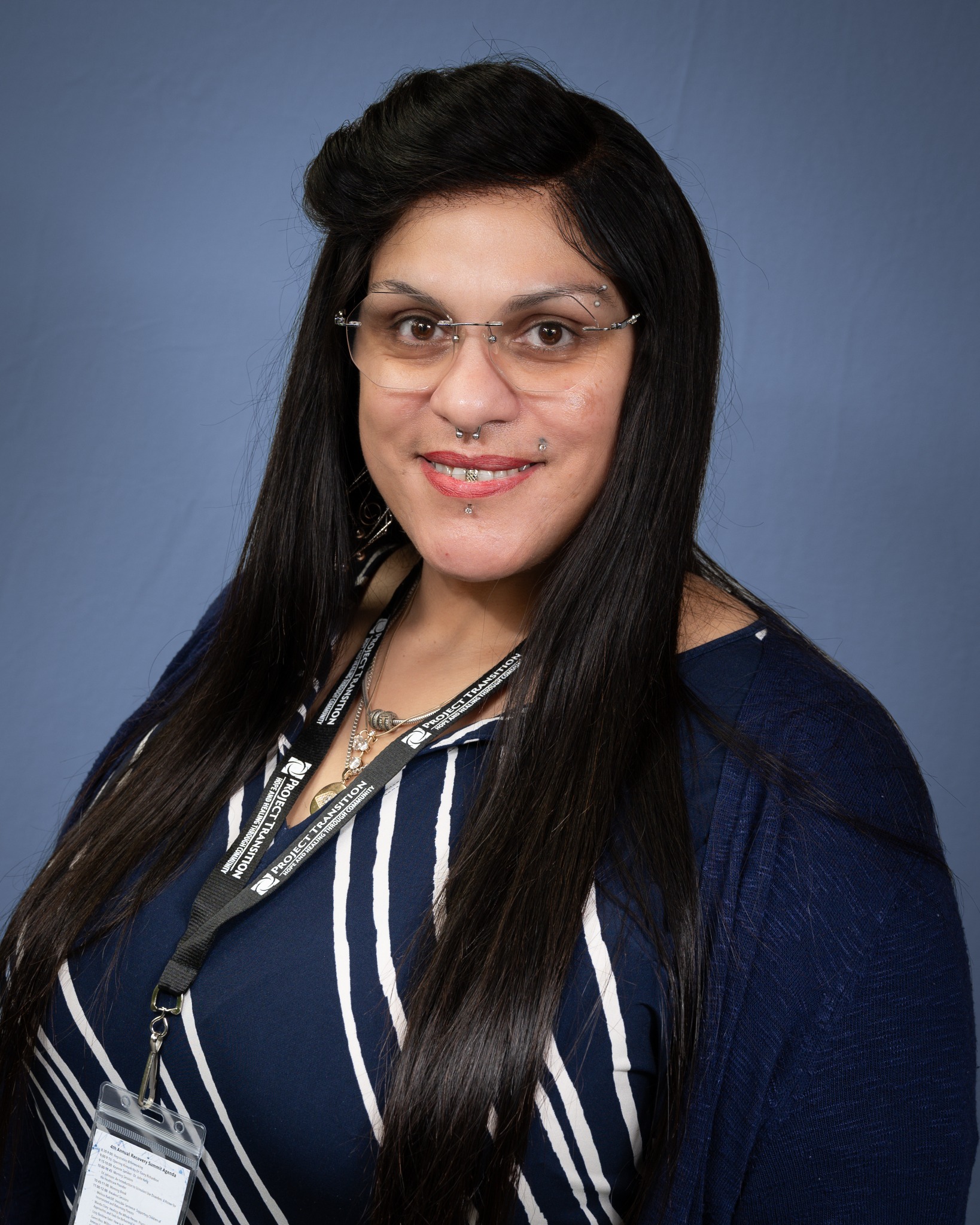
CDAC, NCCPSS
Hickory Corporate Office
Maria R. Coles is a dedicated professional in the substance use and mental health field at ICGH’s Hickory Corporate Office. She holds CDAC and NCCPSS credentials and is a North Carolina Notary Public. Maria is currently pursuing an undergraduate degree in Health Sciences with a focus on substance use disorders. Her personal experience in recovery strengthens her passion for helping others pursue positive change and lasting recovery.
Committed to excellence, personal growth, and continuous learning, Maria takes pride in supporting her team and the individuals ICGH serves. As she continues her education and professional development, she looks forward to taking on new opportunities and growing within the organization.
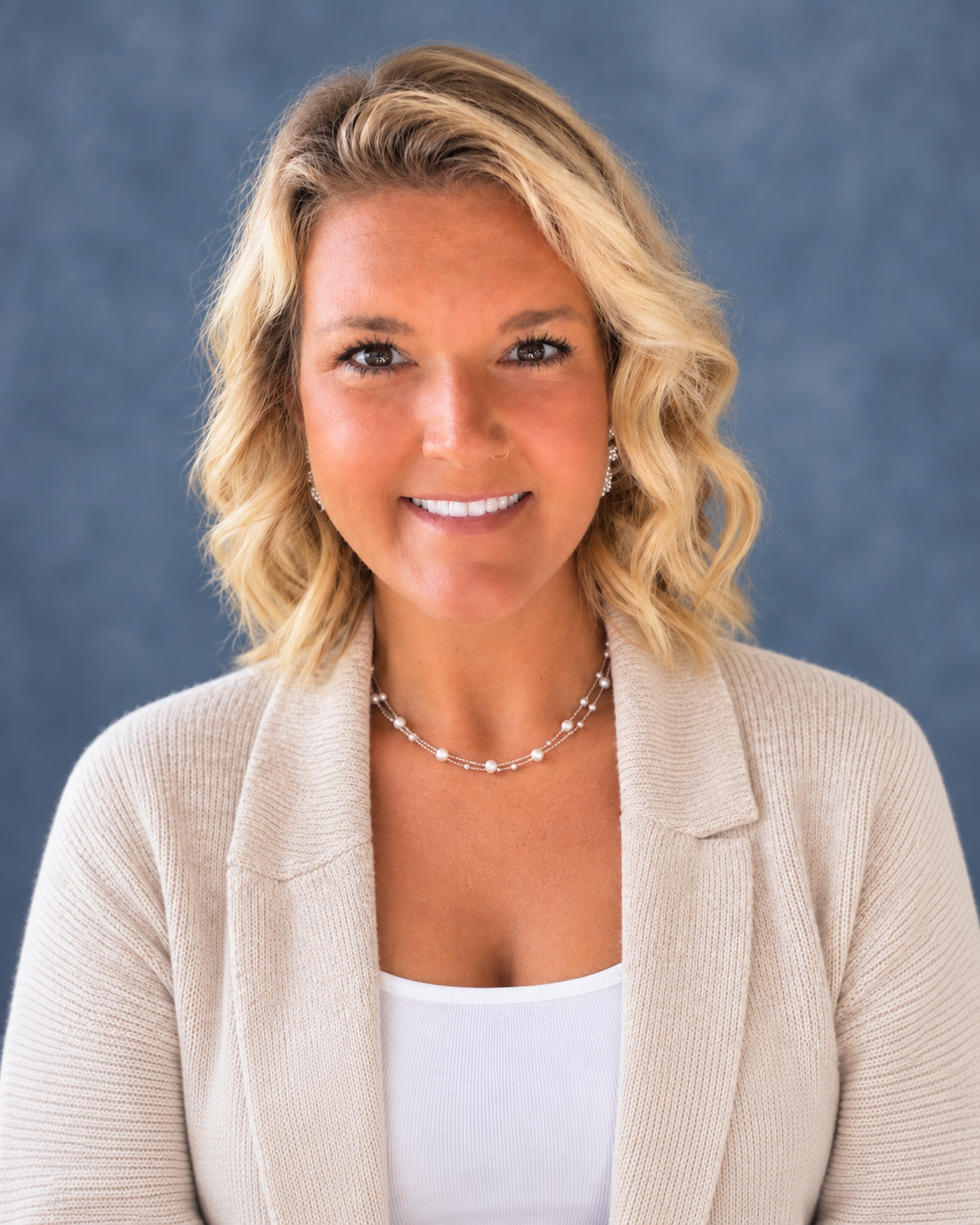
Admissions/Care Coordinator | Carolina Wellness Center
468 Hwy 70, Sea Level, NC 28577
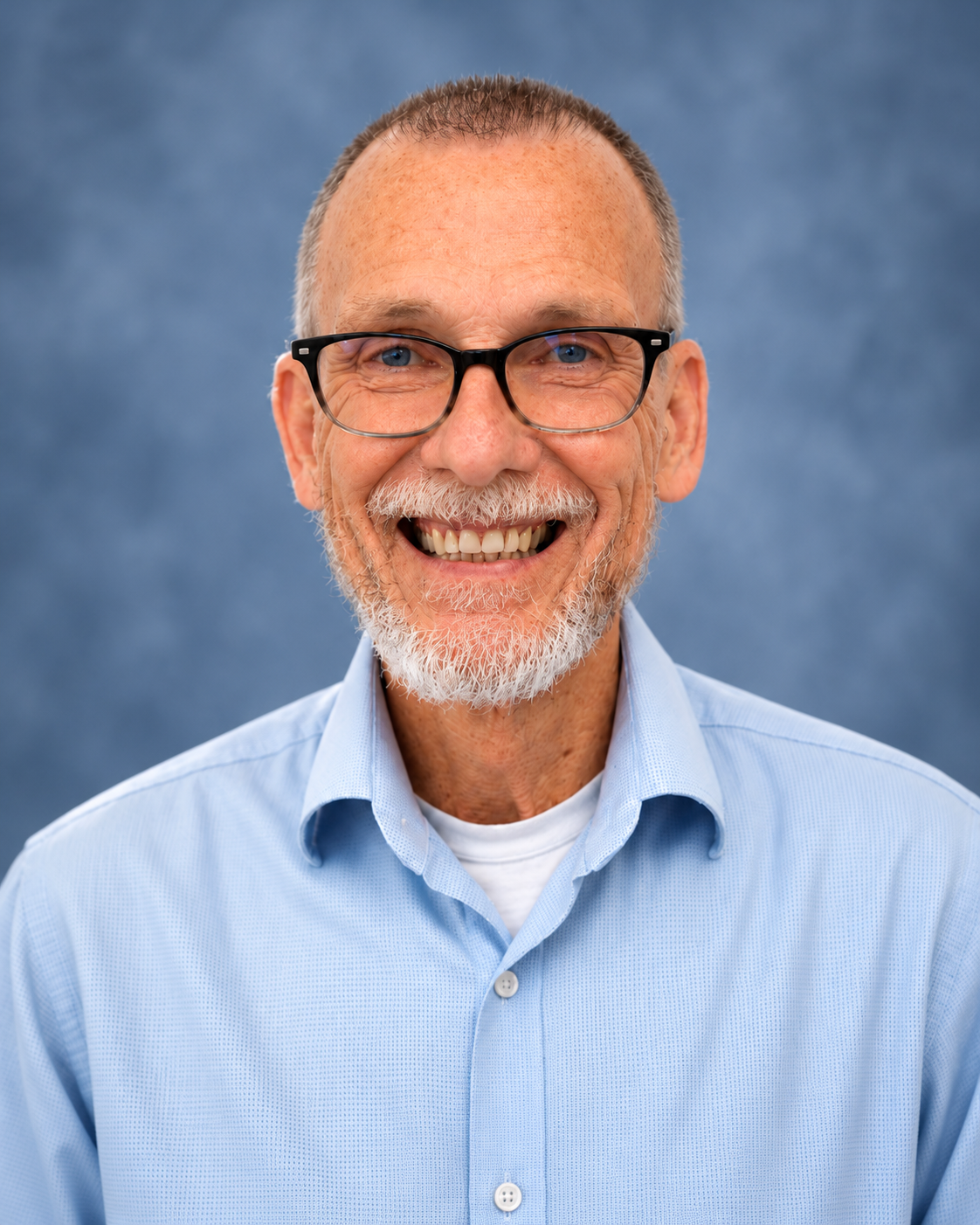
CADC
Facility Manager | Carolina Wellness Centers at Sea Level
Nelson Koonce, CADC, serves as Facility Manager at Carolina Wellness Centers at Sea Level and is a well-loved local pastor in the Down East community.
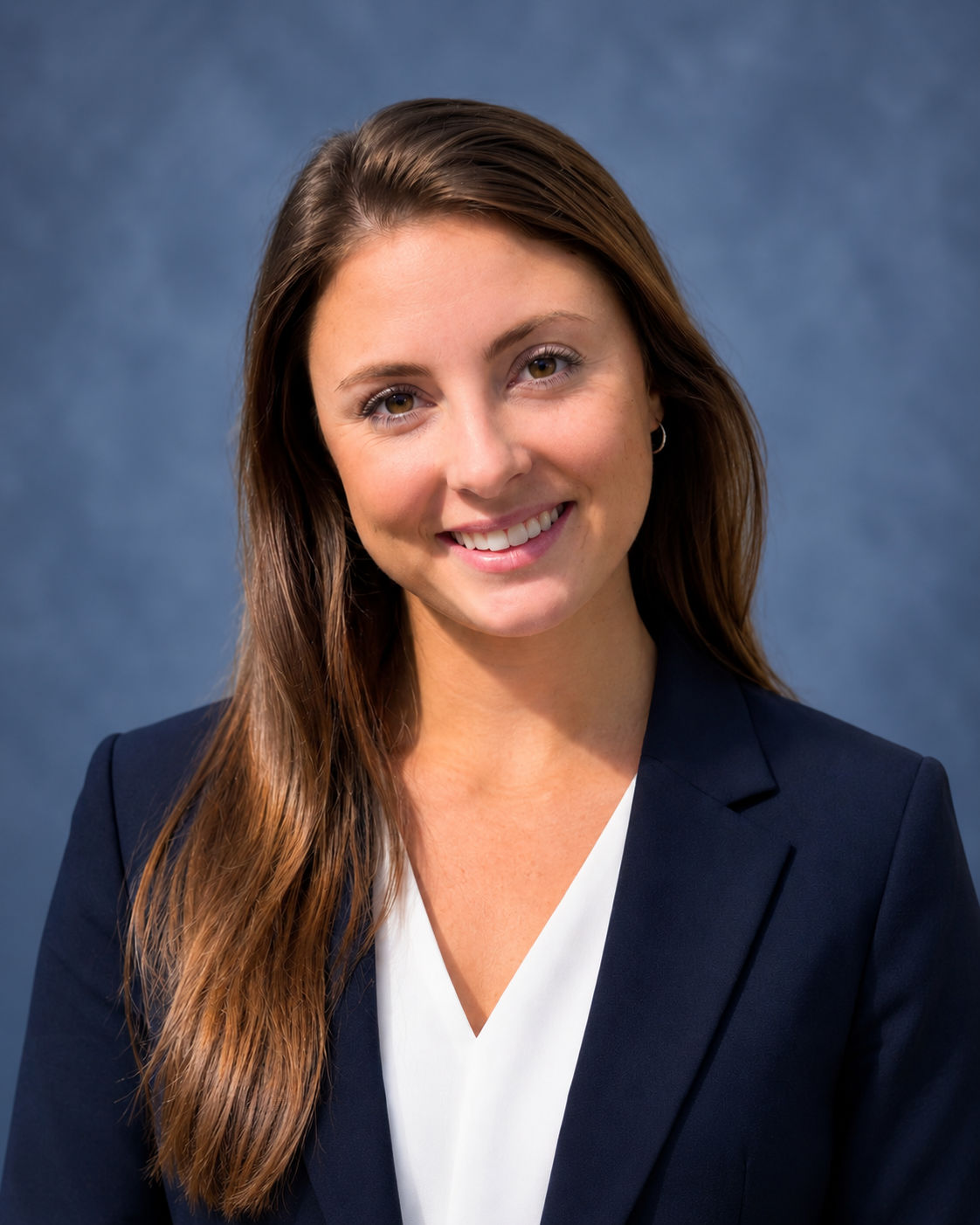
Front Desk/Intake Assistant | Carolina Wellness Centers at Sea Level
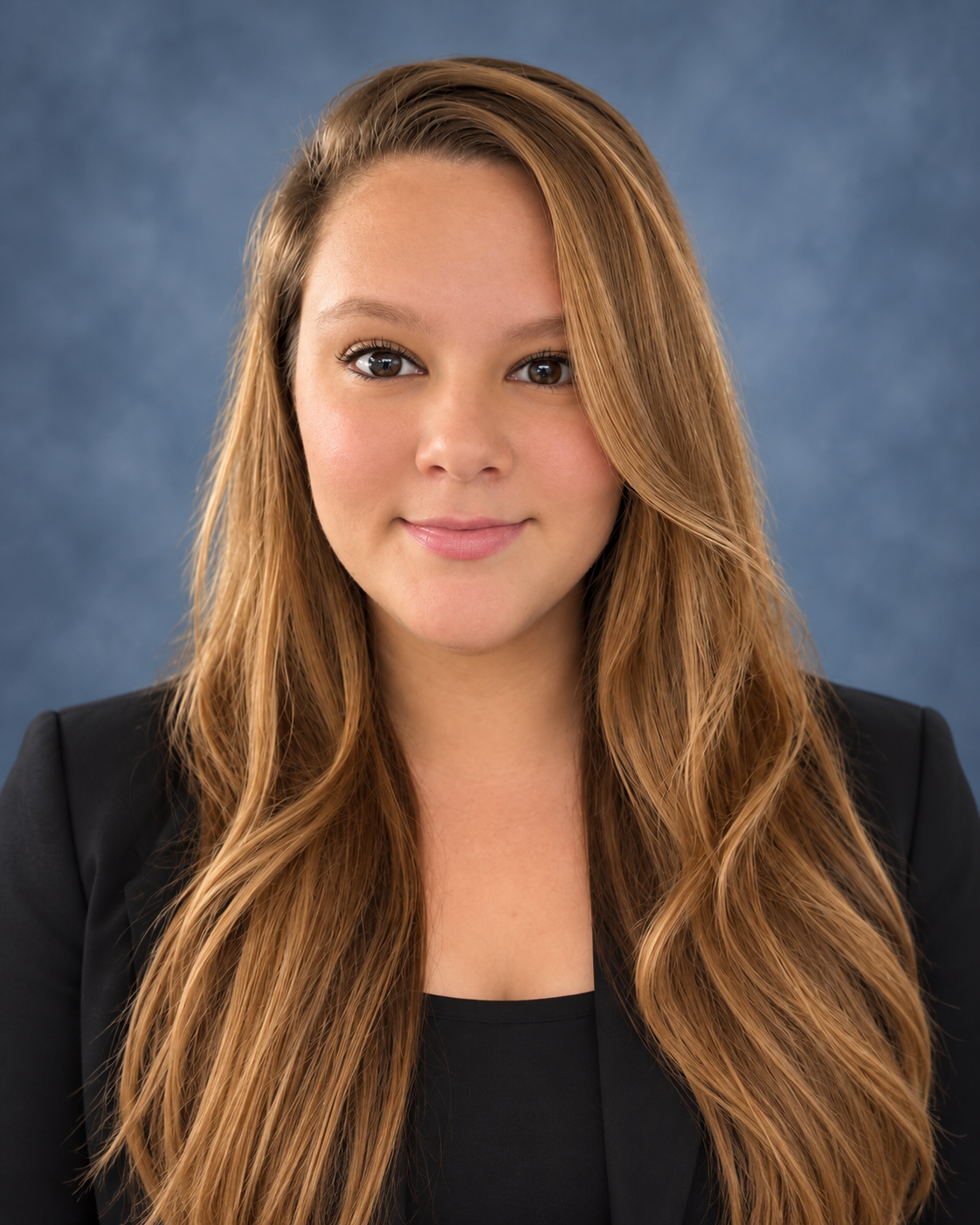
Nutritional Services Manager | Carolina Wellness Centers at Sea Level
Chasity Tyndall brings four years of service management experience to her role as Nutritional Services Manager, overseeing daily operations, inventory, compliance audits, and staff training. She specializes in leading motivated teams, maximizing efficiency, and maintaining strict health and safety standards. Combining strong leadership with a client-centered approach, Chasity is dedicated to delivering high-quality nutrition and exceptional dining experiences that support clients’ daily health and well-being.
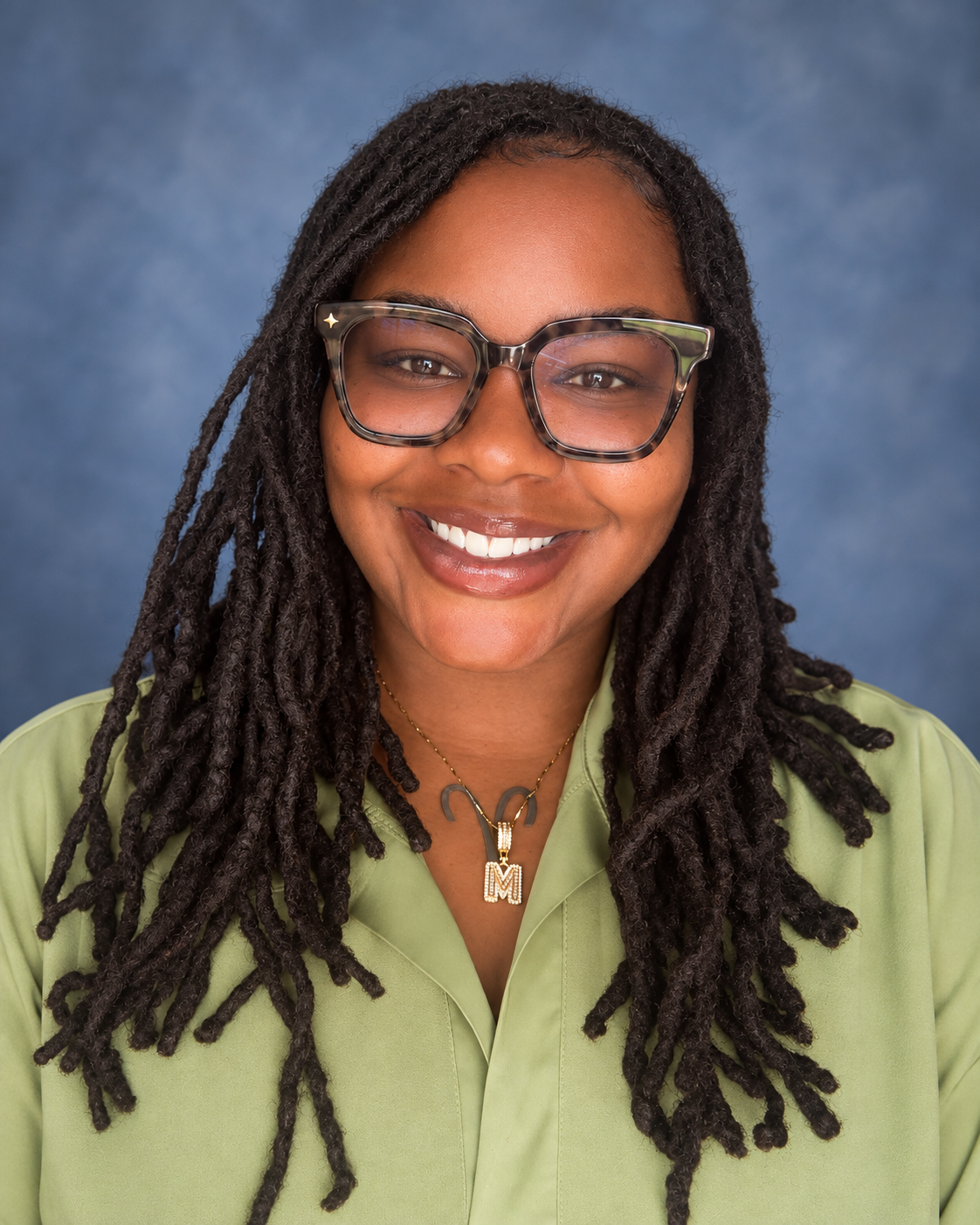
CADC
Site Manager | Morehead City
Mercedes Johnson is the Site Manager for ICGH in Morehead City, NC, where she is dedicated to supporting individuals and families on their journey toward recovery and stability. With her CADC credential, Mercedes brings experience, compassion, and a strong commitment to helping those affected by substance use and behavioral health challenges. She is passionate about creating a supportive environment where clients feel respected, empowered, and encouraged to reach their goals.
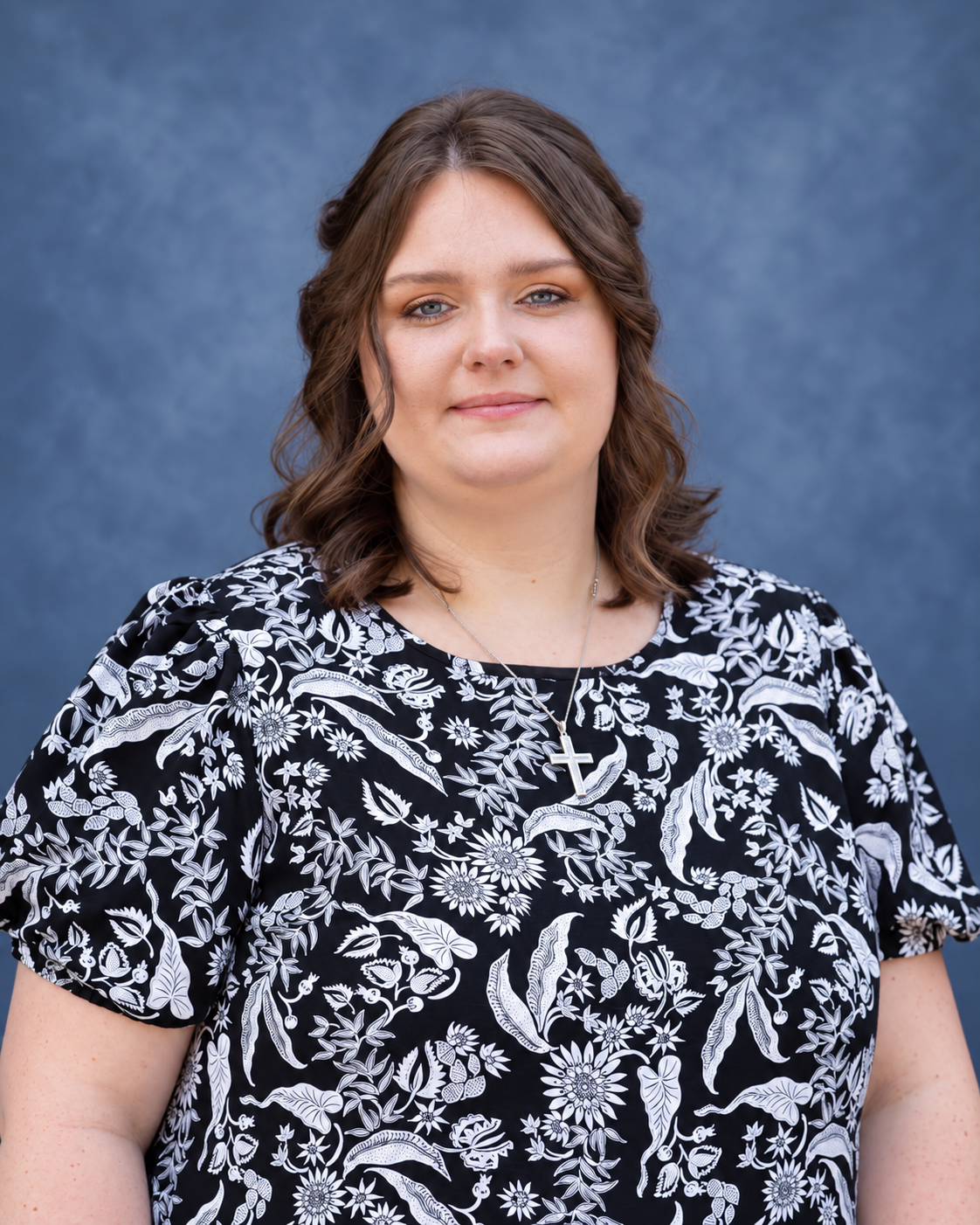
Revenue Cycle Manager
Sierra leads ICGH’s revenue cycle operations, overseeing the billing team and ensuring the insurance and financial side of care runs smoothly. With a personal connection to behavioral health, she is passionate about making insurance and billing easier for the people ICGH serves to navigate. Through her work, Sierra supports ICGH’s recovery-driven mission and its commitment to individuals, families, and communities throughout their recovery journeys.
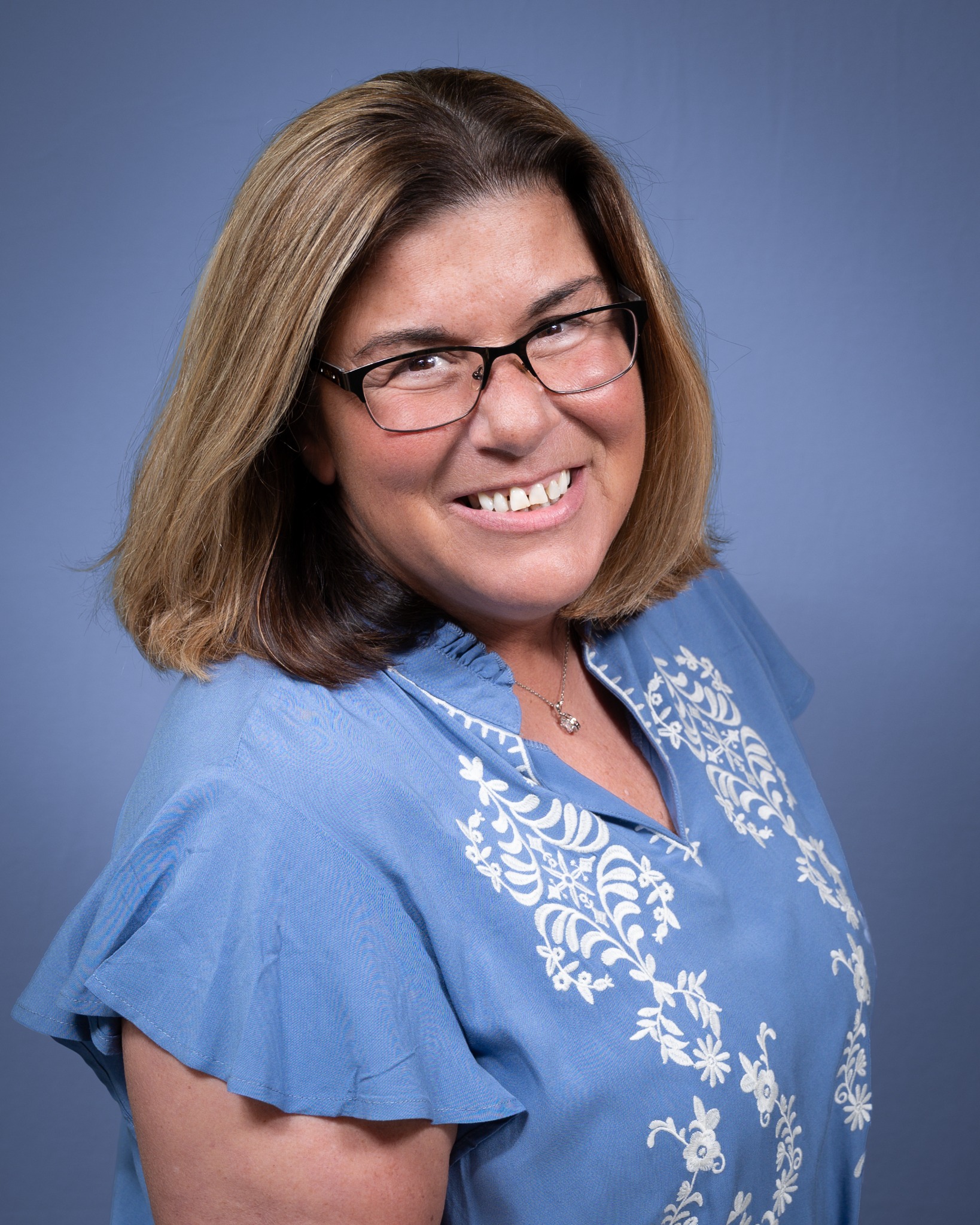
NCCPSS, NCCHW
Housing Manager | Day One Recovery Homes
Angie is the Housing Manager for Day One Recovery Homes, where she oversees recovery homes across North Carolina. She is a North Carolina Certified Peer Support Specialist and Certified Community Health Worker. As someone in long-term recovery, Angie knows the value of having support and a safe place to begin again. She uses her lived experience to help others feel seen, encouraged, and hopeful about what is possible.
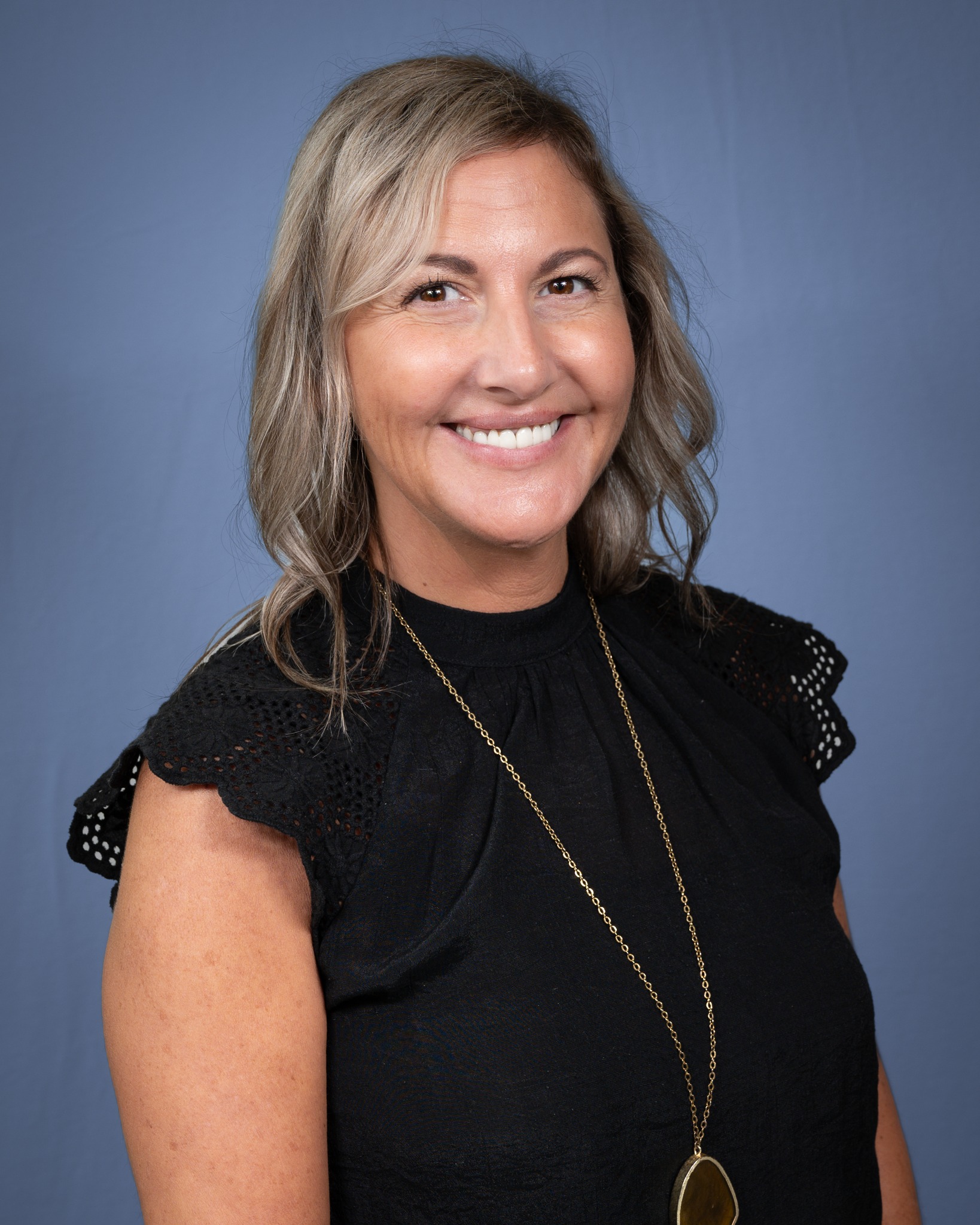
NCCPSS
Site Manager & Outreach Specialist | Shelby
Hayley Hoops serves as Site Manager and Outreach Specialist at ICGH in Shelby. She brings more than 20 years of healthcare experience and lived experience with alcohol and substance use recovery to her work. Passionate about meeting each individual where they are, Hayley helps connect people with the resources they need. Grateful for the gift of recovery, she is dedicated to helping others find their own path to healing.
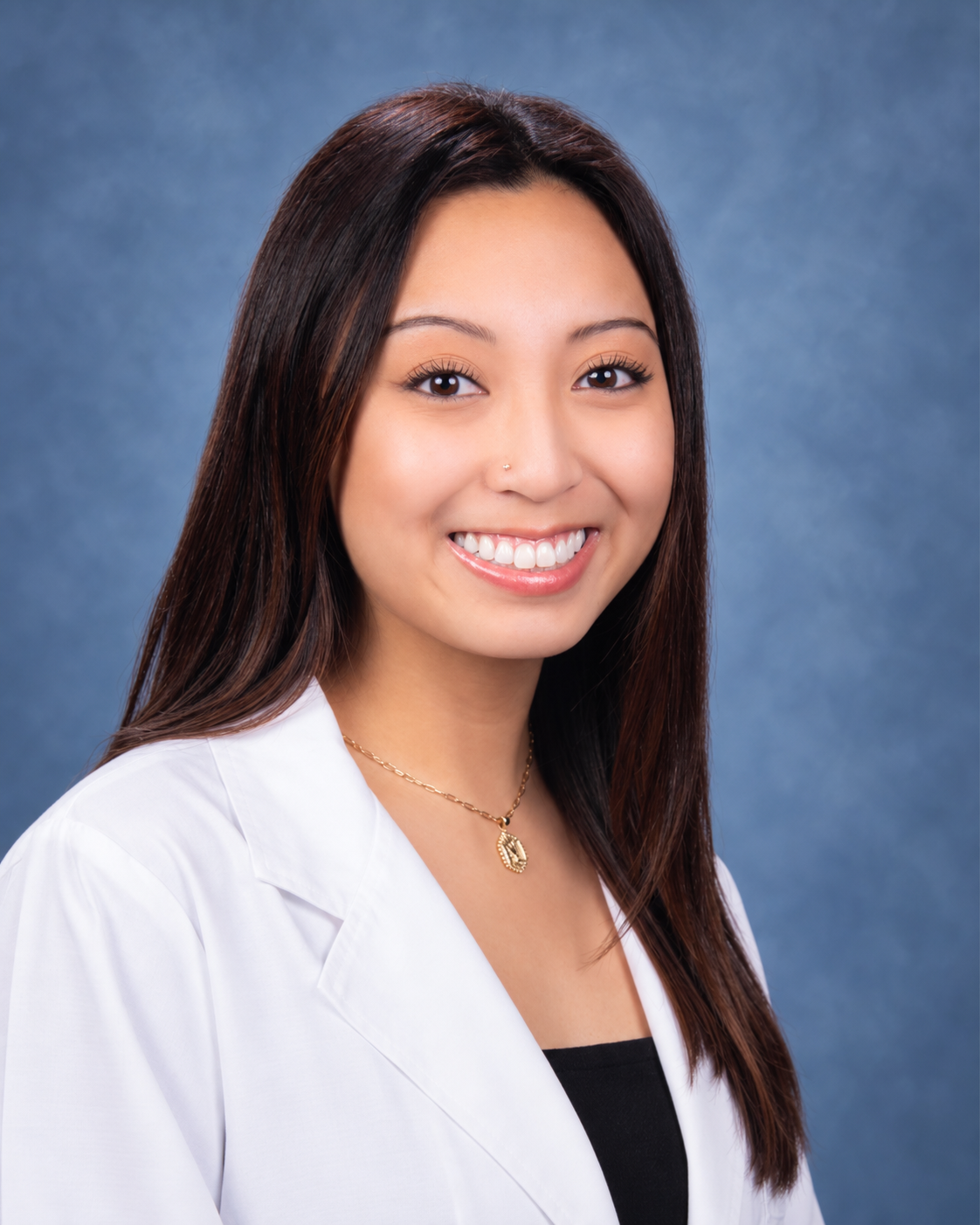
PA-C
Physician Assistant | Outpatient Services
Yvonne Dao-Johnston is an addiction medicine physician assistant with extensive experience in emergency medicine. Her background in caring for patients with complex and acute medical needs informs her compassionate, evidence-based approach to treating substance use disorders. Through ICGH’s outpatient services, Yvonne provides patient-centered care, works to reduce stigma, and supports each patient’s path toward recovery and improved health.
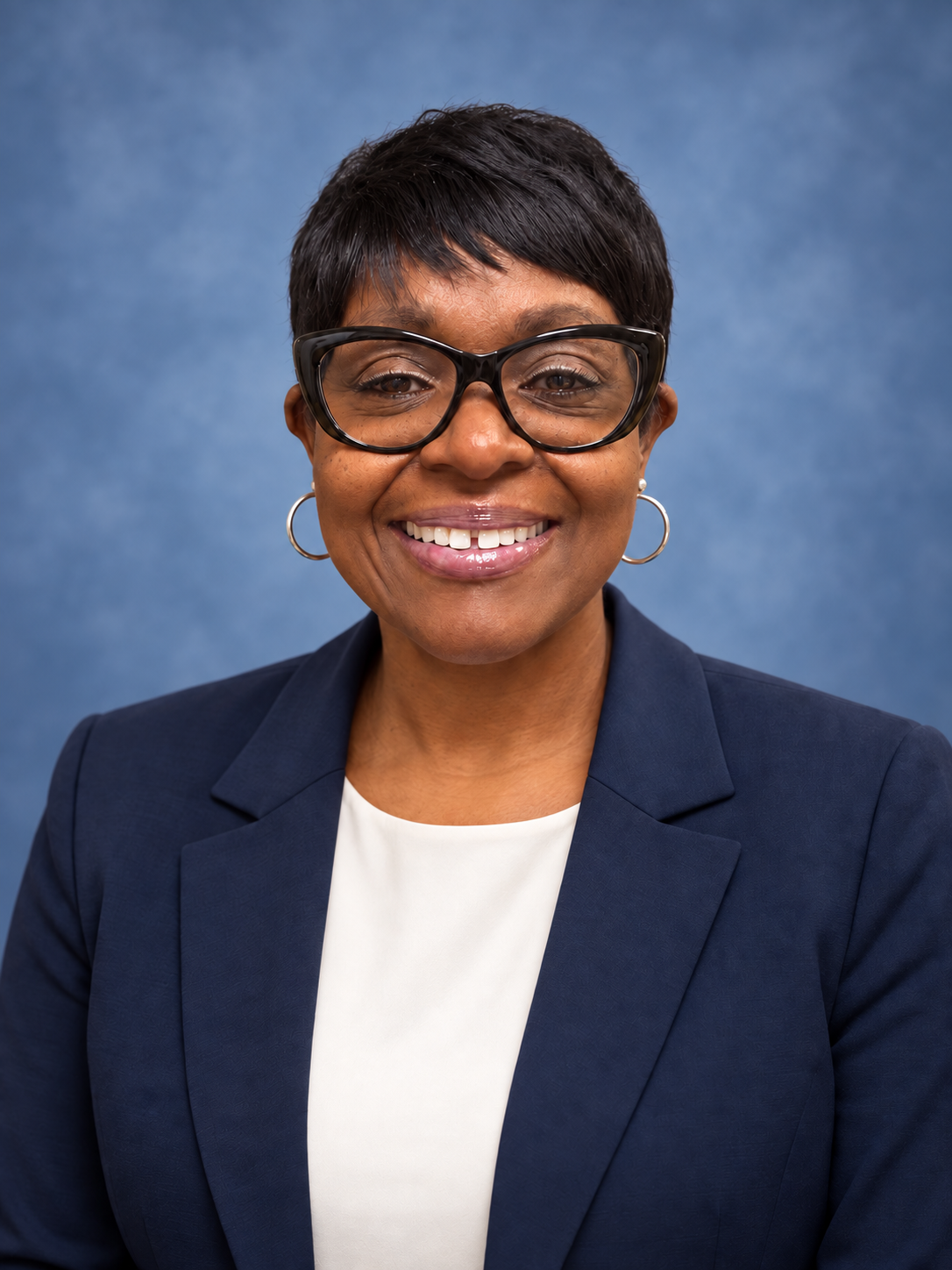
NCCPSS, CADC-R
SAIOP Facilitator | Hickory
Sharon Gadson is a Certified Peer Support Specialist and CADC-R based in Hickory, North Carolina. She facilitates SAIOP and is passionate about supporting people through their recovery journey. Drawing on her own long-term recovery, Sharon advocates for her clients and others who are struggling, helping them find hope and take the next step forward. She is dedicated to the fellowship of Narcotics Anonymous and believes in “carrying the message and not the addict.”
You do not have to wait until things feel worse to reach out.
Call 911 for emergency assistance, including a suspected overdose.
Call 911Support for suicidal thoughts, emotional distress, or a mental health or substance use crisis.
Available 24/7 in the United States. Outside the U.S., contact your local emergency or crisis service.
For care access and recovery support. For immediate danger, use 911.
Call 828-322-5915